Best 4 by 8 Insulation Board Options for Homes and Workshops
Choosing the right insulation board involves balancing fire resistance, temperature tolerance, sound control, and ease of installation. This guide highlights five boards that work well for 4-by-8 spaces, including cork, mineral wool, ceramic fiber, and foam-backed options. Each product section below covers core specs, installation notes, and practical applications to help you compare performance and choose confidently.
| Product | Material | Typical Use | Key Benefit |
|---|---|---|---|
| Manton Cork Standard Grade Cork Sheet | Cork | Bulletin boards, decorative displays, light insulation | Natural, easy to cut, paintable |
| BXI Ceramic Fiber Insulation Board | Ceramic Fiber (Inorganic) | High heat, industrial, flames exposure | Very high temperature tolerance |
| GlikCeil Rockwool Insulation Board | Rockwool / Mineral Wool | Acoustics, fire safety, general insulation | Fire resistant, sound reducing |
| Rockwool Insulation Batts (8 lb) | Rockwool / Mineral Wool | Wall cavities, floors, ceilings | High density, strong soundproofing |
| Sasylvia Ceramic Fiber Insulation Board | Ceramic Fiber | Fireproofing for stoves, kilns, ovens | Heat resistance with easy cutting |
Manton Cork Standard Grade Cork Sheet — 4′ x 8′ x 1/4″

Manton Cork’s Standard Grade Cork Sheet is a natural, 100% cork panel designed for lightweight insulation and versatile use in decorative as well as functional applications. With a thickness suitable for places that require a visible, flexible board, it can be mounted directly to walls or backed with a board for a stable surface. The sheet covers about 32 square feet, making it a practical option for bulletin boards, displays, and light thermal or acoustic tasks. The material can be stained or painted to fit interior design schemes, expanding its utility beyond simple insulation.
Key features: thickness suitable for thicker cork needs; large 32 sq ft area; easy to cut; adaptable for staining or painting; wall-mountable or glue-on installation.
BXI Ceramic Fiber Thermal Insulation Board
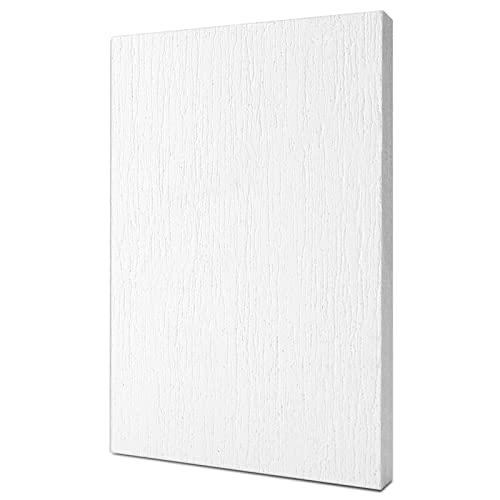
BXI’s Ceramic Fiber Board is a high-temperature, inorganic insulation board designed for extreme environments. The 12″ x 8″ x 0.4″ panel delivers exceptional heat resistance with a long-term service temperature around 2552°F (1400°C) and a maximum use temperature of 2732°F (1500°C). With a relatively low thermal conductivity and a solid density, this board provides robust insulation in industrial settings and furnaces. Its inorganic composition means reduced smoke and odor compared to some organic ceramic products, improving safety in high-heat scenarios.
Key features: Class A1 fire resistance; high-temperature tolerance; low smoke emission; rigid and durable construction for demanding installations.
GlikCeil Rockwool Insulation Board — 24 x 24 x 1.6 Inch

This 8-pack of GlikCeil rockwool boards combines mineral wool insulation with strong acoustic performance. Each panel measures 24″ x 24″ x 1.6″ and is designed to deliver both sound dampening and fire resistance, making it ideal for spaces that require quiet environments and enhanced safety. The boards are suitable for cutting and fitting into various layouts, and they provide a dependable barrier against temperature changes and noise transmission. Note that handling mineral wool requires basic protective gear to minimize fiber exposure during cutting.
Key features: fireproof, flame retardant; strong sound insulation; easy to cut and fit; uniform 24″ x 24″ size for straightforward installations.
Rockwool Insulation Batts — 8 lb Density, 2′ x 4′

These Rockwool batts offer denser mineral wool insulation designed to improve soundblocking and thermal resistance. The 8 lb density provides better mass for reducing noise and managing heat transfer, especially in wall cavities and floor assemblies. With non-combustible properties and resistance to high temperatures (up to 2150°F / 1177°C), these batts contribute to enhanced fire safety. The product is well-suited for professionals and DIYers seeking durable, professional-grade soundproofing and insulation in 2″ thick by 4′ length configurations, adaptable to many 4-by-8 framing layouts when cut or trimmed appropriately.
Key features: high-density insulation for superior sound control; strong fire resistance; durable, retains shape under vibration; suitable for a range of spaces needing quiet and warmth control.
Sasylvia Ceramic Fiber Insulation Board — 12″ x 8″ x 0.4″

The Sasylvia ceramic fiber boards come in a compact 12″ x 8″ format suitable for fireproofing near heat-producing appliances or tools. Each board is 0.4″ thick, offering a lightweight option with solid heat resistance and flexibility for cutting to fit around stove hoods, kilns, or fireplaces. The two-piece pack provides ample material to cover smaller projects while maintaining a focus on safety and heat containment. Always handle ceramic fiber with appropriate protective gear to minimize skin and respiratory irritation during cutting and handling.
Key features: two boards per package; lightweight and easy to cut; heat resistant and flame retardant; suitable for a variety of high-temperature applications.
Buying Guide: Key Purchase Considerations
- Thermal performance: Compare R-values and thermal conductivity. Higher density boards (like mineral wool and ceramic fiber) offer stronger resistance to heat transfer and better stability at high temperatures.
- Fire safety: For spaces exposed to heat or flame risk, prioritize boards with fire-resistant classifications (such as Class A1) and high maximum use temperatures.
- Acoustic properties: If sound control is a priority, look for mineral wool or dense fiberglass alternatives with strong STC ratings and a non-directional fiber matrix.
- Ease of installation: Consider thickness, rigidity, and edge compatibility. Some boards are easier to cut to fit irregular shapes, while others are best used with backing boards or contact adhesives.
- Chemical and odor considerations: In enclosed spaces or living areas, inorganic boards tend to emit fewer odors and smoke when exposed to heat compared with some organic materials.
- Handling and safety: Some fibers can irritate skin or lungs during cutting. Use appropriate PPE such as masks, goggles, and gloves when working with mineral wool or ceramic fiber.
- Application context: For decorative or bulletin-board uses, cork may suffice and offers easy customization. For structural or high-heat environments, ceramic fiber or mineral wool options are typically more appropriate.
- Size and fit: Ensure the panel dimensions align with your intended area. While 4′ x 8′ is common for wall panels, many boards come in smaller formats that require fitting or joining.