Best Well Water Treatment Chemicals for Clean, Safe Water From Your Well
Well water can vary in quality, odor, and mineral content. The right treatment chemicals help sanitize the system, remove odors like rotten egg sulfur, and improve taste while protecting plumbing. This article highlights five well-focused products designed to treat well water, with objective details drawn from their listed features. Use these options to compare how each product targets bacteria, sulfur smells, deposits, and overall water quality for home wells.
| Product | Brand | Key Benefit |
|---|---|---|
| WELL SAFE Well Sanitizer Kit | WELL SAFE | Bacteriological disinfection and odor elimination; simple DIY use |
| Well Water Sanitizer | Zhizaiql | Removes sulfur odors, improves taste; food-grade formula |
| API TAP WATER CONDITIONER | API | Neutralizes chlorine and chloramines; safe for water use |
| Droplytix 20-in-1 Drinking Water Test Kit | Droplytix | Comprehensive home water testing for pH, hardness, metals, and more |
| #1 Bacteria in Water Test Kit by Detekt | Detekt | Detects bacteria and mold in water for targeted remediation |
The following sections present each product with a concise overview, key features drawn from the manufacturer’s details, and how it can contribute to safer, better-tasting well water. Each product is described in a self-contained section to help readers compare options quickly while planning their treatment approach.
WELL SAFE Well Sanitizer Kit
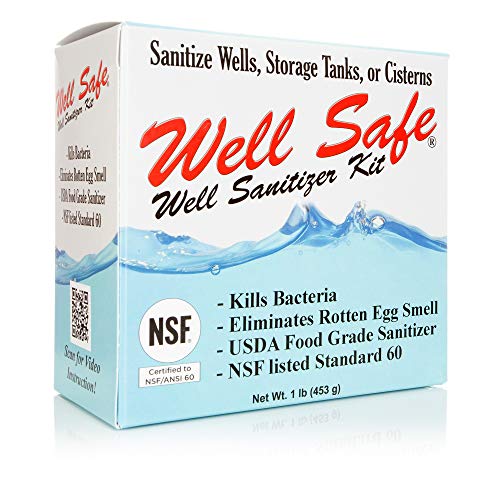
The WELL SAFE kit focuses on easy, user-friendly well sanitation. Its core feature is to provide a complete sanitizing process that can be circulated through wells and storage tanks, followed by an 8–24 hour stand and flushing until clear. The kit emphasizes disinfection to eliminate bacteria that can cause odors, particularly rotten egg smells associated with sulfate-reducing bacteria. This approach can be advantageous for homeowners seeking a straightforward, low-cost sanitation method without requiring complex filtration systems or professional service calls. Routine use every three months is suggested to maintain taste and safety.
Key points: simple DIY instructions, targeted odor elimination, and a cost-conscious maintenance cadence. The emphasis on food-grade sanitizing properties aligns with consumer demand for safe, non-toxic treatment options for well water. Users should follow instructions carefully to ensure complete circulation and flushing through storage tanks, especially in larger systems where thorough contact time matters.
Well Water Sanitizer
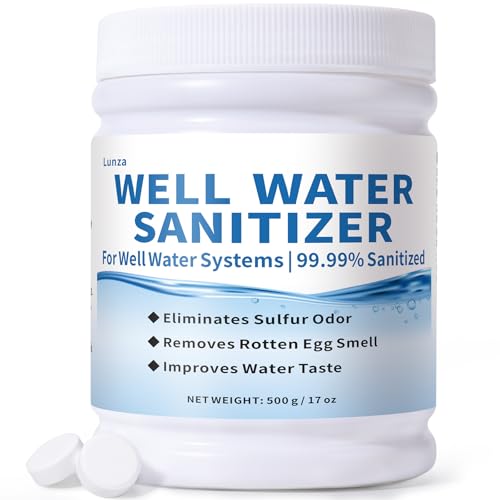
This sanitizer is designed to remove odor-causing buildup and improve the taste of well water. It highlights a 99.99% sanitization efficacy, specifically addressing sulfur odors and related contaminants. The formula is described as food-grade, indicating a focus on safety for household drinking water. It also claims to reduce organic buildup, minerals, and sludge that can contribute to odors and taste issues, offering a long-term solution for persistent smells in well water systems.
Considerations: this product targets odor management and taste enhancement, which can be particularly beneficial for wells suffering from sulfur with residual organic matter. While odor elimination is a primary benefit, potential users may want to pair this with regular testing to monitor mineral deposits and ensure consistent water quality over time.
API TAP WATER CONDITIONER

The API TAP WATER CONDITIONER is an essential product for anyone adjusting water before use in sensitive systems. It neutralizes chlorine, chloramines, and other chemicals to make tap water safe for various uses, including equipment and organisms that may inhabit plumbing. The product emphasizes protection against chemicals that can cause gill damage, tissue irritation, and other issues in aquatic environments, suggesting a broader application beyond drinking water into preparing water for wells that feed livestock, aquariums, or other households relying on well-derived water for multiple uses.
Usage considerations include assessing compatibility with other well treatment steps and ensuring that the conditioner is used as part of a broader water management plan. While not a dedicated well sanitizer, it serves as a preparatory step for reducing chlorination-related risks when introducing treated water into systems that require chemical balancing.
DROPLYTIX 20-in-1 Drinking Water Test Kit
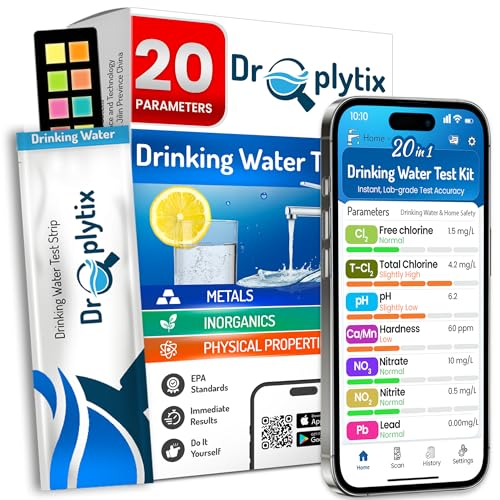
The DROPLYTIX 20-in-1 kit is a comprehensive home testing solution designed to measure a wide range of water quality parameters. It covers pH, hardness, chlorine, nitrate, fluoride, heavy metals, and more, using test strips, reagent pads, and a mobile app for color analysis. This enables homeowners to track changes in well water chemistry and identify potential issues before choosing a remediation path. The app-based color analysis helps reduce subjective reading errors, offering a modern approach to water testing that can inform treatment decisions and trigger more targeted investigations when problems arise.
Strengths include broad parameter coverage and digital assistance for interpretation. Potential limitations might involve the need for repeated testing to confirm trends and the possibility of requiring follow-up laboratory analysis for certain contaminants. Overall, this kit supports proactive water management and helps users decide when to implement sanitizers, descalers, or filtration strategies.
#1 Bacteria in Water Test Kit by Detekt

The Detekt test kit focuses on detecting bacteria, specifically addressing the presence of E. coli and other bacteria, as well as mold potential in drinking water, water treatment systems, and reservoirs. The kit provides results in about 24 hours and emphasizes identifying multiple species and the severity of contamination. This information supports informed remediation decisions, helping homeowners evaluate whether sanitizers, filtration, or system flushes are necessary to restore water safety.
Strengths include species-level insight and faster results for bacterial concerns. Readers should note that bacterial detection is just one component of water safety, and integrating these results with regular testing and professional guidance may yield the most reliable outcomes for well systems.
Buying Guide: Key Purchase Considerations For Well Water Treatment
When selecting well water treatment chemicals, consider whether your primary concern is odor, sanitization, mineral buildup, or safety testing. A well-rounded approach often involves a combination of products tailored to your system size, water composition, and usage. Below are key considerations to help readers choose effectively.
- Target problem: Odor control, especially sulfur smell, versus disinfection or mineral deposits. Choose a sanitizer for bacteria and odor, and a separate odor/taste improvement product if needed.
- System compatibility: Ensure products are compatible with your well size and storage tanks. Some treatments require circulation, flushing, or specific contact times to be effective.
- Safety and food-grade claims: For drinking water, prioritize products with food-grade formulations and clear usage instructions. Follow DIY guidelines precisely to avoid overuse or unintended consequences.
- Testing as a foundation: Use water testing kits (like the 20-in-1 or Detekt) to establish baseline quality and monitor changes after treatment. Regular tests help validate results and detect emerging issues.
- Frequency and maintenance: Some products call for quarterly or seasonal use. Plan maintenance around your water usage patterns and any regulatory recommendations for private wells in your area.
- Cost vs. long-term value: While initial costs matter, consider the long-term benefits of improved taste, odor, and safety. A combination approach may reduce the need for frequent professional service calls.
- Certification and labeling: Look for clearly labeled active ingredients and any third-party certifications. This can reassure users about product safety and effectiveness.
In practice, many homeowners start with a proven well sanitizer to address bacterial concerns and odors, then pair it with a testing kit to track changes over time. If metals or hard minerals are a concern, adding a conditioner or descaling step can help protect plumbing and appliances. Finally, routine testing provides the data needed to adjust treatment strategies as conditions change with seasons or new well developments.