Best 1/2 Inch Aluminum Conduit: Top Choices for Easy Wiring and Protection
Choosing the right 1/2 inch aluminum conduit helps secure electrical runs with lighter weight, corrosion resistance, and easier installation compared with traditional steel. This guide highlights five reliable options, covering flexible aluminum conduits, reduced-wall designs, and aluminum fittings. Each entry includes a quick overview of key features to help American homeowners, contractors, and DIYers compare performance, durability, and installation considerations.
| Product | Brand | Type | Notes |
|---|---|---|---|
| Woods 25-Ft Alflex 1/2″ RWA Flexible Conduit | Southwire | Flexible Aluminum Conduit | Reduced wall, lightweight, fast cuts |
| Southwire 1/2″ X 100′ Alflex RWA Metal Conduit | Southwire | Flexible Aluminum Conduit | UL listed, high strength aluminum alloy |
| Southwire 1/2″ By 50′ Alflex Reduced Wall | Southwire | Flexible Aluminum Conduit | For power, data, and lighting; smooth interior |
| TayMac RLB050 Threaded LB Conduit Body | Hubbell | Aluminum Conduit Body | Die-cast aluminum, gasketed for outdoor use |
| Tynulox 1/2″ Aluminum Tubing 12″ Length | Tynulox | Aluminum Tubing | 6061 alloy, smooth interior, weldable |
Woods 25-Foot 1/2-Inch Alflex Flexible Conduit
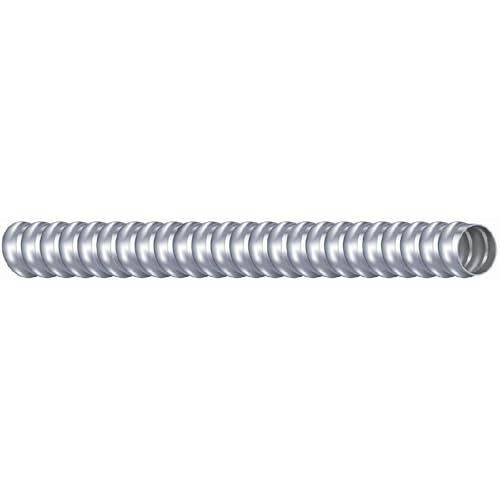
Woods’ 25-foot Alflex flexible conduit uses a high-strength aluminum alloy designed to protect conductors and cables. It is intended for use with listed connectors compatible with NEC Type FMC (Flexible Metal Conduit). The design enables cutting roughly 80% faster than steel and provides a notable weight reduction (about two-thirds lighter). This conduit is suited for concealed or exposed installations where flexibility and ease of routing matter, particularly in commercial or residential wiring projects that demand reliable mechanical protection without added bulk.
Southwire 1/2″ X 100′ Alflex Aluminum RWA Metal Conduit

Southwire’s 1/2″ X 100′ Alflex RWA metal conduit features a lightweight aluminum alloy and continuous interlocking/helically formed metal strip. It’s designed for both concealed and exposed installations and can withstand impact and crushing forces. The UL-listed product emphasizes durability for long runs, making it a practical choice for commercial and residential wiring where a flexible, yet strong, conduit is required.
Southwire 1/2-Inch-by-50-Foot Alflex Reduced Wall

This 50-foot length represents a practical option for smaller projects needing reduced-wall aluminum conduit. It’s ideal for power and lighting circuits, office partitions, and various data and signal transmissions. The smooth interior aids wire pulling, while its suitability for concealed, exposed, or approved raceways supports flexible installation scenarios in both new builds and retrofits.
TayMac RLB050 Threaded LB Conduit Body

Hubbell TayMac’s RLB050 is a threaded LB conduit body crafted from die-cast aluminum with a stamped steel cover. It features a premium powder coat finish and a gasketed design to provide reliable sealing in outdoor or rugged environments. This component helps manage changes in direction for conduit runs and can be essential in installations where access and inspection points are required.
Tynulox 6061 Aluminum Tubing, 1/2″ OD

Tynulox offers 1/2″ OD seamless aluminum tubing in a 12″ length, made from 6061 aluminum with good weldability and corrosion resistance. The pair of tubes provides a durable option for DIY projects or industrial uses where a solid aluminum spine is needed. The interior is smooth for easier welding and cutting, aligned with demanding fabrication or enclosure-building tasks.
Buying Guide: Key Considerations for 1/2 Inch Aluminum Conduit
- Material and alloy: Aluminum conduits leverage lighter weight and corrosion resistance. Look for high-strength alloys (like 6061) for durability in outdoor or industrial settings.
- Conduit type: Flexible Alflex conduits are easier to route but may have different pull requirements than rigid or reduced-wall variants. Choose based on installation constraints and bend radius.
- Wall thickness and length: Reduced-wall variants save material and install time but may have specific mechanical ratings. Match wall thickness to expected mechanical stress and weather exposure.
- UL listings and compliance: Ensure the conduit is UL-listed for your intended use (conduit, connectors, and raceways). This affects code compliance and safety.
- Outdoor and environmental exposure: Outdoor use requires corrosion resistance and UV stability. Non-metallic options may be lighter but behave differently in weather conditions.
- Fittings and compatibility: Check compatibility with connectors, boxes, and LB or Tee fittings. Aluminum components should be matched to prevent galvanic corrosion when paired with other metals.
- Installation considerations: Flexible conduits ease routing but may require additional supports and securing methods. Rigid tubing offers better protection in harsh environments but is harder to bend on-site.
- Applications: Consider power, lighting, data, and signal requirements. Some conduits are optimized for specific uses, such as office furniture or outdoor gear.
- Cost vs. performance: Aluminum conduits generally provide a favorable weight-to-strength ratio. Weigh installation time, maintenance, and future upgrades against upfront costs.
- Safety and handling: Edges should be burr-free; proper PPE and handling practices reduce risk during cutting and installation.
Overall, when selecting a 1/2 inch aluminum conduit, balance flexibility, installation complexity, and environmental exposure. The five options highlighted here cover a range of use cases—from flexible runs and long outdoor installations to sturdy conduit bodies for access and maintenance. Each product focuses on lightweight aluminum with corrosion resistance and adaptability to typical American electrical projects.