Best 1/2 Inch PVC Board for DIY Projects and Marine Uses
Finding the right 1/2 inch PVC board can streamline projects from signage to outdoor furniture. This guide highlights five top options and compares durability, finish, and suitability for marine or outdoor environments. The selections include rigid Sintra PVC sheets and expanded PVC boards, plus high-density polyethylene (HDPE) boards for context. Use the buying guide below to weigh material strength, finish, and workability for your next build.
| Product | Size / Thickness | Material Type |
|---|---|---|
| Mega Format Sintra Sheet | 12″ x 16″ x 1/2″ | Rigid PVC (Sintra) |
| Mega Format Expanded PVC Sheet | 6″ x 12″ x 1/2″ | Expanded PVC |
| BuyPlastic White HDPE Boat Board | 12″ x 12″ x 1/2″ | HDPE |
| BEDEXUT HDPE Sheet | 12″ x 16″ x 1/2″ | HDPE |
| Winco Heavy-Duty Cutting Board | 6″ x 10″ x 1/2″ | Polyethylene (HDPE) |
Mega Format Sintra 12×16 PVC Sheet — 1/2 Inch

Mega Format Sintra sheets are a rigid PVC board designed for a wide range of applications. The material is waterproof, durable, and easy to clean, making it suitable for signage, displays, and crafts. Its thickness of 1/2 inch offers sturdy rigidity while remaining lightweight for versatile fabrication. The surface accepts paint and adhesives well, enabling a polished finish for indoor and protected outdoor use.
Mega Format Expanded PVC Sheet 6×12 — 1/2 Inch

Expanded PVC sheets offer lightweight rigidity with flexibility for shaping and mounting. The 6″ x 12″ size is easy to cut, die-cut, and mount, making it ideal for small signage, crafts, and display elements. It balances strength with workable weight, allowing precise cutting, painting, and screen printing on the smooth and moldable surface.
BuyPlastic White HDPE Boat Board 12×12

This HDPE boat board offers a moisture-resistant, maintenance-free option with a slightly textured surface. It resists impacts and weathering well, making it a strong candidate for outdoor projects, marine uses, and furniture components. While not PVC, it provides a useful comparison for durability and machinability in 1/2 inch boards.
HDPE Sheet 1/2 — BVSIAONG With Protective Film

This HDPE sheet includes protective film on both sides to guard against scratches during handling and installation. The material demonstrates high tensile strength and low water absorption, making it suitable for moisture-prone environments and load-bearing DIY panels. Use it where chemical resistance and durability are priorities, such as outdoor installations or machinery panels.
Winco Heavy-Duty Plastic Cutting Board 6×10
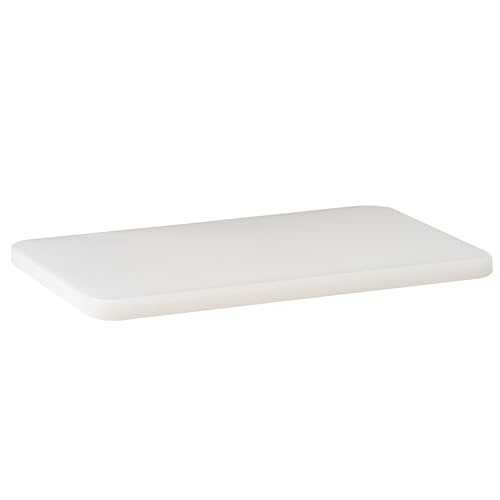
While primarily marketed as a kitchen cutting board, this 1/2 inch thick polyethylene board demonstrates the practical use of 1/2 inch HDPE in food preparation and light-duty applications. It showcases the non-porous surface, resistance to staining, and ease of cleaning that can be a reference point when evaluating similar HDPE boards for project prototypes or non-signage uses.
Buying Guide: Key Purchase Considerations
- Material type: PVC vs HDPE. PVC boards (Sintra or expanded PVC) offer high rigidity, moisture resistance, and a smooth surface ideal for painting and signage. HDPE boards excel in impact resistance and outdoor durability but may have different finishing outcomes.
- Finish and texture: A dual-sided or textured surface can influence grip, slip-resistance, and aesthetics. Choose according to whether you need a slick finish for displays or a textured surface for grip and handling.
- Dimensions and tolerances: Confirm exact measurements, especially for cut-to-size projects. Some products include kerf loss or protective films that affect final dimensions.
- Weather and chemical resistance: Outdoor and marine applications demand boards with UV stability and chemical resistance. PVC options generally handle moisture well, while HDPE resists moisture and many chemicals.
- Machinability and tooling: Consider ease of cutting, drilling, and routing. PVC sheets typically cut cleanly with standard tools; HDPE can be milled but may require slower speeds to reduce chipping.
- Maintenance and finish: If you plan to paint or screen print, ensure the surface is compatible with your intended coatings. Some PVC sheets accept paints better, while HDPE may require a primer.
- Protective features: Some HDPE boards include protective films that protect surfaces before final installation. This helps prevent scratches during handling.
- Intended use: For marine or outdoor signage, prioritize boards with water resistance, UV stability, and impact resistance. For indoor crafts, ease of cutting and finishing may be more important.