Best 3 Pressure Reducing Valves for Residential Plumbing Upgrades
Choosing a reliable pressure reducing valve (PRV) is essential for protecting home plumbing from high incoming water pressure and reducing water waste. This guide highlights five top-performing PRVs from trusted brands, compares key features, and offers buying considerations to help homeowners and pros select the right model for tight spaces, easy servicing, and long-term durability. The products below are selected for compact design, cartridge-based maintenance, and versatile tailpiece options, making installations smoother in a variety of pipe configurations.
| Product | Brand | Key Features |
|---|---|---|
| Zurn Wilkins 34-NR3XLDU 3/4″ NR3XL with Double Union | Zurn | Compact, cartridge-loaded, multiple tailpieces |
| Zurn Wilkins 34-NR3XLDUPEX 3/4″ NR3XL with PEX Tailpiece | Zurn | Compact, cartridge-loaded, PEX tailpiece option |
| Watts LF25AUB-Z3 3/4″ PRV | Watts | Union x Union, high-temp diaphragm, low-lead |
| APOLLO 3/4″ 36LF10401 | APOLLO | Compact design, straightforward installation |
| Watts LFN45BM1 3/4″ PRV | Watts | Lead-free brass, high pressure tolerance, easy service |
Zurn Wilkins 34-NR3XLDU 3/4″ NR3XL PRV with Double Union

The Zurn Wilkins 34-NR3XLDU 3/4″ NR3XL valve features a compact lay length designed for tight spaces, making it suitable for retrofit projects or crowded utility rooms. Its cartridge-loaded design simplifies repairs and maintenance, allowing quick service without disassembling the valve body. Tailpiece options include threaded, PEX, copper sweat, and CPVC, enabling flexible connections across common piping systems. The double union connection provides a robust, easy-to-seal installation with serviceability in mind. This model is well-suited for both residential and light commercial applications where space and ease of maintenance are priorities.
Key considerations: ensure the supply pressure aligns with the regulator’s range, verify compatible tailpiece materials, and confirm that the installation location permits service access for cartridge replacement. The NR3XL family is known for reliable regulation and straightforward field service, reducing downtime during maintenance.
Zurn Wilkins 34-NR3XLDUPEX 3/4″ NR3XL with PEX Tailpiece

This variant mirrors the NR3XLDU’s compact design but adds PEX crimp tailpiece compatibility, simplifying PEX-based installations without soldering or threading. The cartridge-loaded mechanism remains a hallmark of ease-of-service, enabling quick cartridge changes when needed. The tailpiece options—threaded, PEX, copper sweat, and CPVC—provide flexibility to connect to a wide range of piping materials. It suits new builds and renovations where PEX is the preferred distribution method and space is at a premium.
Practical notes: check PEX compatibility with your local codes and ensure the PEX crimp tool and fittings match the chosen tailpiece. Regular inspections of the diaphragm seal help maintain steady downstream pressure over time.
Zurn Wilkins 34-NR3XLDULU 3/4″ NR3XL with Union NPT
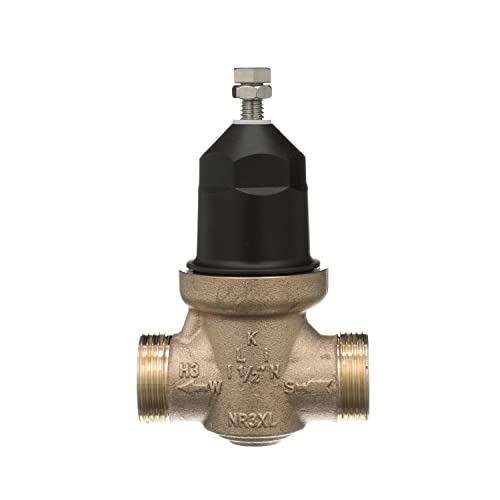
This model offers a union-capable female x female NPT connection, allowing straightforward disassembly and replacement in the field. The NR3XL cartridge-based design maintains easy serviceability, while the union connections compensate for pipe movement and simplify alignment during installation. Its compact form factor makes it a solid choice where space is constrained, and the NPT union configuration enhances compatibility with existing threaded piping runs.
Useful tips: confirm the exact NPT size, verify torque specifications for union nuts, and consider keeping spare cartridges on hand for routine servicing to minimize downtime in busy mechanical rooms.
Bell & Gossett 110192 Fb-38 PRV

The Bell & Gossett 110192 Fb-38 PRV is included for comparison when evaluating PRVs from established boiler and hydronic brands. While this model is robust, buyers should note that its packaging and compatibility notes indicate broader industrial use. It shares core PRV functionality—reducing incoming pressure to protect plumbing and fixtures—while potentially offering different installation practices and service parts availability compared with dedicated domestic PRVs. Consider this option if your project already uses Bell & Gossett components for centralized boiler room systems.
Important considerations: verify corrosion resistance, service part availability, and whether the valve is primarily intended for hydronic applications or potable water use, to ensure compliance with local codes and standards.
Watts LF25AUB-Z3 3/4″ PRV

The Watts LF25AUB-Z3 is a compact, union-to-union pressure reducing valve designed for versatile installations. It features a lead-free copper-silicon alloy body with a stainless steel strainer, a high-temperature diaphragm, and a replaceable seat module. The standard setting is around 50 psi, with a push toward 25–75 psi incoming pressure ranges, making it adaptable for residential, commercial, or light industrial use. This model is well-regarded for durability in demanding environments, particularly where water quality or cycle rates vary.
Design notes: confirm the required pressure range for your system, inspect the strainer for debris during installation, and plan for periodic diaphragm and seat replacements as part of a preventive maintenance schedule.
APOLLO 3/4 in. 36LF10401 PRV

The APOLLO 36LF10401 PRV provides a compact option for residential water systems, with straightforward installation and servicing. While details emphasize simplicity, it remains essential to verify compatibility with your existing piping materials and the local supply pressure. This model is a practical choice for homeowners seeking a reliable, easy-to-maintain valve with a standard 3/4-inch connection and a serviceable cartridge design.
Key considerations: check lead content and compliance with local potable water standards, ensure the tailpiece and inlet/outlet options match your setup, and confirm tool requirements for any field service components.
Watts 3/4 LFN45BM1 Valve

The Watts LFN45BM1 PRV features a lead-free brass body and an integral stainless steel strainer for filtering debris before it reaches the diaphragm. The valve is suitable for pressures up to 400 PSI and offers a robust build for residential or light commercial installations. Its 3/4″ threaded female inlet and outlet connections make it a straightforward replacement option in existing lines, with a design aimed at long service life and dependable pressure regulation.
Buying guide: When evaluating PRVs, consider pressure range (inlet and downstream), connection type (threaded, union, or crimp/tailpiece), material compatibility with potable water, and serviceability (availability of replacement cartridges/diaphragms). In dense mechanical spaces, prioritize compact models with flexible tailpieces to simplify installation. For high-water-usage homes, select valves with higher flow capacity and quicker response times. For commercial settings, assess lead content and compliance with applicable codes, plus long-term maintenance accessibility.
Buying Guide: Key Purchase Considerations
- Pressure range: Match the valve’s minimum/maximum downstream pressure to your system’s desired operating range, typically around 50 psi but adjustable in many models.
- Connection type: Choose based on existing piping—threaded, union, male/female NPT, or tailpiece options like PEX or copper sweat.
- Material and lead content: Ensure lead-free construction for potable water, and verify compatibility with your local code requirements.
- Maintenance and serviceability: Cartridge-loaded designs and replaceable diaphragms simplify field servicing and reduce downtime.
- Space and installability: Compact lay lengths and modular tailpieces help in tight spaces and retrofit projects.
- Brand and compatibility: Standard PRVs from brands like Zurn, Watts, APOLLO, and Taco offer extensive service parts and compatibility across systems.
In summary, selecting a best-fit PRV depends on installation constraints, preferred tailpiece configurations, and maintenance expectations. The options listed provide a spectrum of compact, serviceable, and durable choices suitable for typical American homes and light commercial uses. Ensure compliance with local codes and consider keeping spare cartridges or diaphragms on hand to reduce downtime during preventive maintenance.