Best 500 Gallon Galvanized Water Tank Alternatives for Large-Scale Storage
When planning long-term water storage, a galvanized tank is a classic choice for durability and reliability. While a true 500-gallon galvanized model isn’t featured in this guide, the products below offer high-capacity, durable storage options that cover camping, farming, off-grid living, and emergency preparedness. This article highlights five top-rated containers, their key features, and practical considerations to help you select a solution that fits your space, climate, and water needs. A quick product summary is provided below to aid quick comparison.
Product Summary
- Class A Customs T-7500: 75 Gallon Fresh Water Holding Tank
- Emergency Water Tanks 55 Gallon Stackable Tank
- Emergency Water Tanks 30 Gallon Stackable Tank
- RomoTech 125 Gallon Polyethylene Storage Tank (UV-Resistant)
- Stainless Steel Water Container for Camping – 5 Gallon
Class A Customs 75 Gallon Fresh Water Holding Tank

- Brand: classAcustoms
- Capacity: 75 gallons
- Material: NSF approved, safe for fresh or gray water
- Fittings: Two 1.5″ NPT, two .5″ NPT fittings; built for watertight connections
This holding tank is designed for flexible indoor or outdoor placement and can store either fresh or gray water. Its dimensions and multiple fittings enable straightforward integration with basic plumbing, pumps, and filtration systems. Use it for RVs, cabins, or off-grid setups where reliable water storage is essential.
classAcustoms T-12500 RV Fresh Water Tank

- Brand: classAcustoms
- Capacity: 125 gallons
- Material: NSF approved, safe for fresh or gray water
- Fittings: Multiple 1.5″ and 0.5″ NPT fittings; designed for RV and portable use
This ribbed tank offers extra structural support and flexible orientation, with built-in fittings to simplify connections in RV or trailer setups. Its size accommodates larger water needs while remaining movable compared with bulkier stationary options. Ideal for extended trips or temporary off-grid locations.
RomoTech 125 Gallon Polyethylene Storage Tank

- Brand: RomoTech
- Capacity: 125 gallons
- Material: UV-stabilized HDPE, BPA-free
- Fittings: Dome-top design with built-in fittings
Constructed from durable, UV-stabilized polyethylene, this tank resists cracking and outdoor degradation. It’s designed for potable water storage and compatible with a range of agricultural or industrial liquids. Guards against rust and corrosion, offering longevity in harsh weather or outdoor environments.
Emergency Water Tanks 55 Gallon Stackable Tank
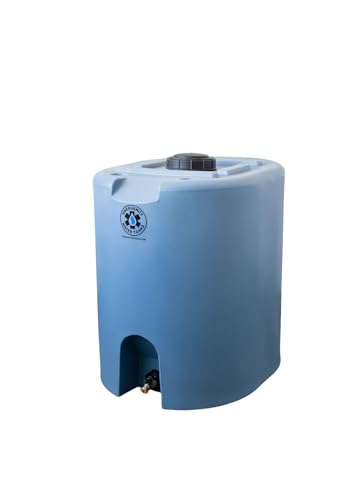
- Brand: Emergency Water Tanks
- Capacity: 55 gallons
- Material: Rotationally molded polyethylene
- Features: Stackable design, safe for long-term potable storage
Designed for space efficiency, this 55-gallon tank stacks securely to maximize capacity without occupying additional floor space. It’s suitable for garages, basements, or sheds and provides solid long-term potable water storage for families or small groups during emergencies.
Emergency Water Tanks 30 Gallon Stackable Tank
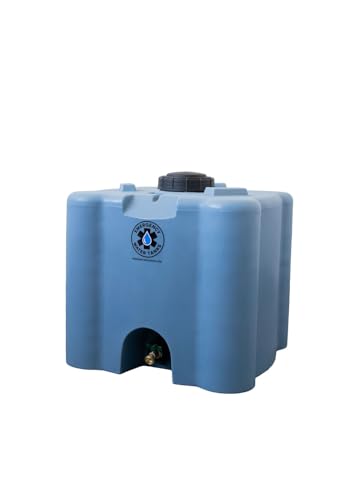
- Brand: Emergency Water Tanks
- Capacity: 30 gallons
- Material: BPA-free rotationally molded polyethylene
- Features: Stackable design, compact footprint for limited spaces
A compact option for apartments, RVs, or small households, this 30-gallon tank provides essential drinking water storage with a focus on space efficiency. The stackable design enables scalable storage without sacrificing living area.
Buying Guide: Large-Scale Water Storage Considerations
When selecting a large-capacity water storage solution, consider capacity needs, space availability, material safety, and maintenance requirements. Galvanized steel remains a trusted option for durability, but other materials may offer corrosion resistance, UV stability, and flexibility in placement. Below are key factors to weigh from multiple perspectives.
- Capacity and growth: If you anticipate expanding storage, choose modular tanks that stack or connect. Start with 30–125 gallons and scale up as needed.
- Material and safety: NSF/ANSI certifications ensure water safety. For potable use, prevent leaching with BPA-free plastics or food-grade materials. Stainless steel is durable but heavier.
- Placement and climate: Outdoor tanks require UV resistance and weather tolerance. Consider insulated or shaded locations in hot climates to maintain water quality.
- Fittings and compatibility: Ensure compatible inlet/outlet sizes (common are 1.5″ or 0.5″ NPT) and verify seal integrity to prevent leaks.
- Mobility vs. permanence: Portable containers are easier to relocate, while fixed tanks suit stationary needs. Weight increases with capacity, especially when full.
- Maintenance: Regular inspection of fittings, lids, and seals prevents leaks. For plastic tanks, look for resistance to cracking and cracking under freeze-thaw cycles in cold regions.
- Cost and lifecycle: While galvanized steel can offer long lifespans, consider total cost of installation, accessories, and replacement parts when budgeting.
- Regulatory considerations: Some regions require specific materials for drinking water storage or may regulate chemical storage if using non-potable liquids.
In practice, selecting a mix of high-capacity options and modular, stackable containers can optimize space and reliability. For remote or off-grid use, prioritize UV stability, airtight fittings, and easy access during refills. For urban settings, focus on compact, stackable models that fit storage rooms or basements while complying with local codes.