Best 500 GPD RO System for High-Volume Purified Water
Choosing a 500 GPD (gallons per day) reverse osmosis system helps ensure steady access to clean, great-tasting water for households, offices, or small commercial settings. This guide highlights five top options from iSpring that balance performance, efficiency, and remineralization. Each system delivers high output, compact design, and reliable filtration to reduce contaminants while preserving essential minerals. Review the features, filtration stages, and practical considerations to pick the right fit for your water needs and space.
Summary of selected products:
- iSpring RO500AK-BN Tankless Under Sink RO System with Natural pH remineralization and 500 GPD.
- iSpring RO5004F Tankless RO with UV, PFAS and TDS reduction, 500 GPD, filter life monitor.
- iSpring RCS5T Commercial Tankless RO with 1.5:1 pure to drain ratio and pressure gauge.
- iSpring RO500-BN Tankless RO with 500 GPD, 2:1 pure to drain, brushed nickel finish.
- iSpring RO500AK-ORB Tankless RO with natural remineralization and oil-rubbed finish.
iSpring RO500AK-BN Tankless Under Sink RO System
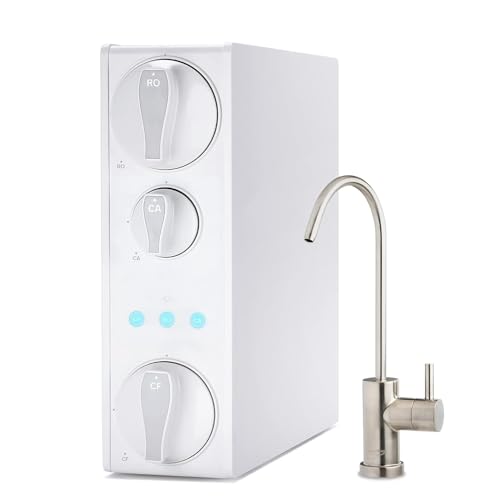
NSF 58 Certified and designed for efficiency, the RO500AK-BN uses a 2:1 pure-to-waste ratio to dramatically reduce wastewater, potentially lowering water bills. It delivers up to 500 GPD with a 0.4 GPM flow, making quick work of cups, pots, and coffee runs. The tankless design saves space under the sink, though it requires electrical access. Filtration starts with a combined sediment and carbon block filter, followed by a robust RO membrane, and ends with a carbon alkaline stage to balance pH and restore minerals for improved taste and wellness.
iSpring RO5004F With UV and PFAS Reduction

This 500 GPD, UV-enabled system offers a six-layer filtration chain, including a UV module for additional disinfection. SGS-tested PFAS and TDS reduction cover more than 1000 contaminants, including PFAS, fluoride, lead, and arsenic. Optional replacement filter packs add long-term savings, and a status indicator monitors UV function. The system is tankless and under-sink, but an electrical outlet is required to power the UV component.
iSpring RCS5T Commercial Tankless RO System
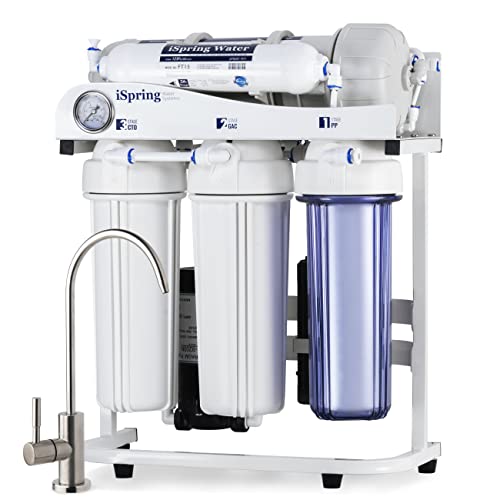
Ideal for light commercial environments, this 5-stage system handles PFAS, rust, chlorine, and disinfection byproducts, with a 500 GPD membrane and a low-waste 1.5:1 pure-to-drain ratio. A built-in booster pump helps maintain production under varying water pressure, supporting high-demand settings such as restaurants, salons, and offices. The design prioritizes capacity and efficiency, with stages that target contaminants while preserving the taste of purified water.
iSpring RO500-BN Tankless RO System, 500 GPD

Engineering emphasis on speed and efficiency, the RO500-BN delivers up to 500 GPD with a 0.4 GPM flow and a 2:1 pure-to-drain ratio. The system uses a first-stage 2-in-1 sediment and carbon block filter, followed by an RO membrane and a carbonate stage to balance taste and minerals. Its brushed nickel finish matches a modern kitchen aesthetic, and the tankless design conserves cabinet space. It is suitable for homes, offices, and small businesses seeking rapid, high-quality purified water.
iSpring RO500AK-ORB With Oil-Rubbed Black Finish

This tankless under-sink RO system features NSF 58 certification, a 500 GPD output, and an alkaline remineralization stage for balanced pH and mineral content. The 2:1 pure-to-drain ratio reduces wastewater and conserves water, while the oil-rubbed bronze faucet provides a distinguished look. Like other tankless models, it requires electrical access and suitable under-sink space for installation and maintenance.
Buying Guide
Key considerations when evaluating 500 GPD RO systems:
- Framing and installation: Tankless designs save under-sink space but require electrical outlets and adequate piping access. Confirm cabinet dimensions and clearance for fittings and filters.
- Water waste and efficiency: Look for a low pure-to-drain ratio (e.g., 1.5:1 or 2:1) to minimize wastewater and save water over time.
- Filtration stages and contaminants: Five to six stages typically combine sediment, carbon, RO membranes, and remineralization. Check certification (NSF/SGS) for contaminant reductions like PFAS and heavy metals.
- Remineralization and taste: Alkaline remineralization stages help restore minerals and balance pH for a more natural taste, especially important in regions with very soft or highly filtered water.
- UV and disinfection: UV options add a layer of pathogen control, but require power and maintenance. Assess whether UV is needed for your water source.
- Maintenance and costs: Replacement filter packs and membrane lifespans affect long-term cost. Larger systems may require professional service for optimal performance.
- Aesthetics and finishes: Finishes like brushed nickel or oil-rubbed bronze faucets blend with kitchen decor and can influence customer or guest perception in commercial settings.