Best 82-Gallon Water Well Tank for Home Use
Choosing the right large-capacity water storage tank for a well system involves durability, materials, and compatibility with your setup. This guide highlights five well-suited options that align with typical well gear and household needs, focusing on capacities near 82 gallons and sturdy construction. Each entry includes key features and practical use cases to help you compare options without speculation.
| Product | Brand | Capacity (Approx.) | Type | Notes |
|---|---|---|---|---|
| classAcustoms T-7500 | classAcustoms | 75 Gallon | Fresh Water Holding Tank | NSF-approved materials; flexible fitting options |
| Norwesco 66 Gallon | Norwesco | 66 Gallon | Horizontal Leg Tank | Molded straps and easy transport features |
| WaterWorker 32 Gallon | Amtrol | 32 Gallon | Vertical Well Tank | Precharged design, NSF-listed |
| WaterWorker 20 Gallon | Water Worker | 20 Gallon | Vertical Well Tank | NSF-listed; durable diaphragm and polypropylene liner |
| DNGXAOYA 42-185 Gal | DNGXAOYA | 42-185 Gallon range | Horizontal Stainless Tank | Food-grade stainless, automatic fill/relief features |
Note: While none of the listed options is exactly 82 gallons, these picks cover near-by capacities and common well-storage configurations. They emphasize durable construction, compatibility with standard fittings, and practical sizing for residential wells.
WaterWorker 20G Vertical Well Tank
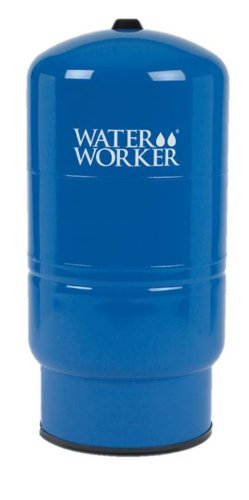
The WaterWorker 20-Gallon Vertical Well Tank focuses on a compact, reliable design suited for smaller well systems or backup storage. Its NSF listing under ANSI/NSF Std 61 indicates compliance with safe drinking water standards. The tank uses a seamless Butyl diaphragm that resists stretching or creasing, reducing the risk of performance loss over time. A polypropylene liner for the water reservoir helps prevent taste or odor transfer, preserving water quality. This tank is best for households with limited well capacity or as a supplemental storage option in a larger system.
Lehman’s Amish-Made Galvanized Well Bucket

While not a tank, the Lehman’s galvanized well bucket is a practical companion piece for emergency access and water retrieval, especially in rural setups with manual well operations. Constructed from galvanized steel with watertight crimped seams and reinforced with a 16-gauge crossbar, it provides dependable metal performance. If you rely on a hand-drawn approach or temporary water collection during pump maintenance, this bucket offers a sturdy, corrosion-resistant tool for safe water handling. Note that it does not store water long-term like a tank but supports well water access in emergencies.
Water Worker 32G Vertical Well Tank
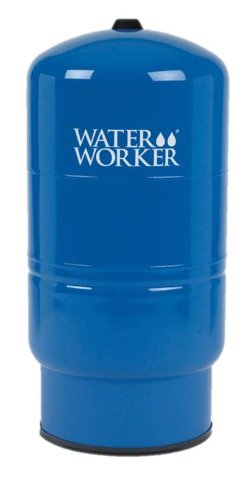
Amtrol’s Water Worker 32-Gallon Vertical Well Tank offers a precharged design that minimizes drawdown and stabilizes water delivery. The precharged configuration helps reduce pump cycling, extending pump life and improving overall system efficiency. This tank is particularly suitable for medium-sized homes or properties with a moderate water demand. It pairs well with standard pressure switches and common well plumbing, making it a versatile choice for retrofit projects or new installations where space is a constraint.
DNGXAOYA Stainless Steel Well Tank

This range of DNGXAOYA stainless steel tanks offers a durable, food-grade option for outdoor or farm use. The design emphasizes stainless construction, automatic water injection with a pressure switch, and safety valves to guard against overpressure. The stainless material resists corrosion and is suitable for environments with harsh water chemistry. Tanks in this line come in multiple capacities, including larger sizes near 42 to 185 gallons, making them adaptable for higher household demand or agricultural use where heavy-duty storage is essential.
Norwesco 66 Gallon Horizontal Tank

Norwesco’s 66-gallon horizontal leg tank provides portability and ease of transport for liquid storage, including water, salt, grain, or other bulk materials. It features molded-in strap-down grooves for secure transport and a 5-inch lid for easier filling. While not vertical, this tank is a practical option for mobile storage or for use in spaces where vertical tanks won’t fit. Its sturdy construction helps ensure reliable water storage in a variety of settings, including rural properties or off-grid setups where space constraints exist.
classAcustoms 75-Gallon Fresh Water Tank

Class A Customs presents a 75-gallon freshwater holding tank crafted from NSF-approved materials, designed for both fresh and gray water storage. It is capable of operating in various orientations, with standard 1.5-inch NPT fittings and additional 0.5-inch options. The generous capacity suits households that require substantial backup water or larger everyday usage without frequent refills. The tank’s dimensions and fittings are configured to support flexible installation in basements, garages, or utility rooms where space allows for longer configurations or alternative mounting.
Buying Guide: Key Purchase Considerations and Comparisons
When selecting a large-capacity water storage tank for a home well system, consider these factors:
- Capacity vs. demand: Match the tank size to your daily water use, pump capacity, and storage goals. Near-82-gallon needs may be approximated by 66–75 gallons with room for future expansion.
- Material and safety: Stainless steel and NSF-listed plastics offer corrosion resistance and safe water storage. If taste and odor preservation are priorities, choose tanks with high-quality liners or food-grade materials.
- Diaphragm vs. bladder: Diaphragm tanks (like Water Worker) reduce the risk of creases and are typically more durable for long-term cycling compared with some bladder designs.
- Fittings and compatibility: Check NPT sizes and the presence of built-in fittings. Ensure compatibility with your well pump, pressure switch, and plumbing layout.
- Maintenance and cleaning: Look for smooth interiors and materials that resist flaking or deforming. Stainless options can be easier to clean and maintain in some climates.
- Installation space: Horizontal tanks require length and a stable base; vertical tanks need floor or wall clearance. Consider space constraints in basements, garages, or outdoor sheds.
- Environment and climate: Outdoor tanks should resist temperature swings. Some models have insulation or are designed to minimize freezing risk in winter.
Additional perspectives:
- Residential vs. agricultural use: Farm and rural properties may benefit from larger, rugged tanks that tolerate harsh conditions and frequent cycling.
- Emergency readiness: Storing extra water can be crucial for outages or disaster scenarios. Stackable or modular units can optimize space while expanding capacity.
- Cost vs. longevity: While larger or stainless steel tanks may have higher upfront costs, durability and reduced maintenance can improve long-term value.