Best Air and Vapor Barrier Products for Home Insulation
Choosing the right air and vapor barrier is essential for energy efficiency, mold prevention, and overall comfort. The following five products represent a mix of radiant barrier, vapor sealing tapes, underlayment with vapor protection, and barrier foams that work across different climates and building types. Each entry includes practical features, installation notes, and how it contributes to a tight building envelope. Use this guide to compare options for attics, crawl spaces, and flooring installations.
Summary of Selected Products
| Product | Brand | Key Benefit | Typical Use |
|---|---|---|---|
| Radiant Barrier Insulation 1000 Sq Ft | AES | Very high reflectivity (>99.7%) and tear-resistant | Attics, roof wraps, SCIF/RF shielding |
| Acoustical Underlayment With Vapor Barrier | Quiet Walk | Noise reduction with vapor protection | Flooring installations (LVP, wood) |
| Vapor Barrier Tape 4″ x 180′ | CRMCC | Strong seal for pipes, seams, penetrations | HVAC, plumbing, crawl spaces |
| Heat Shield Vapor Barrier (2 ft x 20 ft) | Trade Winds | Lightweight, fire-rated vapor shield | Barriers behind walls, between studs |
| Radiant Barrier Insulation (500 Sq Ft) | AES/US Energy Products | Two-sided aluminum, fire-rated | Attics, windows, garages, greenhouses |
US Energy Radiant Barrier Insulation 1000 Sq Ft
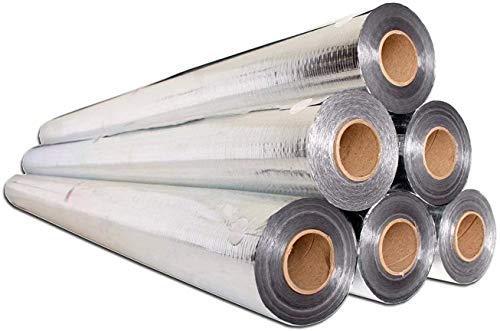
The US Energy Radiant Barrier Insulation is a perforated, tear-resistant foil designed for large-area deployment. With a width of 4 feet and a length of 250 feet per roll, it covers about 1,000 square feet. The product emphasizes high reflectivity, offering a >99.7% reflective value to bounce radiant heat rather than absorb it. This can translate into reduced cooling loads in hot climates, aligning with energy-saving goals for attics and roof assemblies. The metalized foil is described as thin yet industrially strong, allowing straightforward cutting and installation without specialized tools. It is non-toxic and resistant to humidity, reducing concerns about mold growth or degradation over time.
Use cases include attic spaces, roof wraps, and greenhouses where radiant heat management is critical. The barrier aligns with traditional foil-faced barriers but aims to reduce bulk while delivering durability. While it provides significant reflective benefits, it is typically part of a larger insulation strategy, complementing additional insulation or air sealing measures in the home. Consider climate, ventilation, and overall R-value goals when integrating this product into an insulation plan.
Quiet Walk Acoustical Underlayment With Vapor Barrier

This underlayment from Quiet Walk combines acoustical performance with vapor protection, designed for floating, glue-down, and nail-down installations of luxury vinyl, laminate, and engineered wood floors. The 4mm+ thick underlayment uses recycled fibers to cushion footsteps while dampening sound transmission, a key factor for multi-story homes or rooms with hard-surface flooring. The built-in vapor barrier helps minimize moisture migration from subfloors, which can contribute to mold risk if not managed. The product emphasizes long-term stability under heavy furniture and foot traffic, reducing the likelihood of compression over time and preserving surface performance and comfort.
Homes with children, pets, or frequent foot traffic can benefit from this dual-purpose solution: improved acoustics and a moisture shield. When pairing with an attentive air sealing strategy, it supports a layered approach to building envelope performance. Compatibility with several floor types makes it a versatile choice for remodeling projects or new builds aimed at energy efficiency and comfort.
CRMCC Vapor Barrier Tape 4″ x 180′

CRMCC’s vapor barrier tape is a 4-inch wide, 9-mil thick polyethylene tape designed for high-adhesion sealing around pipes, HVAC ducts, seams, and penetrations. The combination of width and material yields a robust barrier against air leaks and moisture intrusion, which is crucial in crawl spaces and perimeters where gaps are common. The tape’s adhesive targets polyethylene films and similar surfaces, offering a reliable bond that helps prevent energy loss and mold-friendly conditions caused by humidity intrusion. The durability makes it suitable for long-term use in challenging environments, including dusty or humid spaces where other tapes might fail.
For installers, the tape provides a straightforward solution to seal joints and transitional areas without requiring specialized equipment. When used with broader air sealing strategies and proper ventilation planning, it can significantly improve envelope performance, especially in tight crawl spaces or around penetrations where air movement tends to be concentrated.
US Energy Products Reflective Foam Core Insulation Shield

The Reflective Foam Core Insulation Shield from Trade Winds combines a light foam core with a metalized reflective layer to create a compact thermal barrier. Sold in a 1/4 inch thickness and sized at 2 feet by 20 feet, this shield provides a useful option for spaces with limited installation depth, offering a balance of rigidity and reflectivity. The product claims strength with a fire-rated profile (ASTM Class 1/Class A) and water resistance, making it suitable for areas prone to moisture exposure. It is lightweight enough to handle easily during installation, whether set behind walls, under floors, or in small cavities.
Installers may view this as a supplementary barrier to additive insulation strategies, especially in areas where traditional batts or rolls are impractical. When combined with proper air sealing and moisture management, reflective foam core shields can contribute to tighter envelopes in both new construction and retrofit projects.
US Energy Radiant Barrier Insulation 500 Sq Ft

This 500-square-foot radiant barrier roll from US Energy Products features a no-tear, double-sided aluminum foil with polyethylene reinforcement. It is designed to be perforated and highly reflective, offering Class 1/Class A fire rating per ASTM E84-10 standards and weatherproof properties. Ideal for attic applications, windows, and even garages, the foil acts to reflect radiant heat while maintaining a relatively thin profile compared to bulk insulation. The product’s two-sided aluminum structure increases durability for handling and installation in less-than-perfect spaces. As with other radiant barriers, its effectiveness is climate-dependent and works best as part of a broader envelope strategy that includes proper attic ventilation and air sealing.
Buying Guide: Key Purchase Considerations
- Goal alignment: Identify whether you need radiant heat reflection, moisture sealing, sound dampening, or a combination. Different products serve different primary purposes, and many work best when used together in a layered envelope.
- Climate and climate-driven needs: In hot climates, radiant barriers can contribute to lower cooling loads, while in damp or cold climates, vapor barriers and tapes prevent condensation and moisture migration.
- Barrier type compatibility: Ensure compatibility with existing construction materials (drywall, plywood, concrete, polyethylene substrates) and with other insulation layers.
- Durability and install practicality: Look for tear resistance, fire ratings, and ease of installation. Thicker tapes and robust foils may offer more durability in crawl spaces or attics with limited access.
- Air sealing as a foundation: Before applying barriers, prioritize sealing gaps, penetrations, and joints to maximize envelope performance.
- Maintenance and long-term performance: Choose non-toxic materials and those that resist mold growth, humidity, and aging under expected climate conditions.
- Cost and coverage: Compare coverage area, cost per square foot, and whether additional products are needed to achieve desired performance.
- Safety and compliance: Verify fire ratings (Class 1/Class A) and any regional building code requirements relevant to your project.
When planning an insulation upgrade, compile a checklist that includes attic access, crawl spaces, and flooring. Consider combining a radiant barrier with a vapor barrier tape for seams and penetrations, and pair underlayment with a moisture barrier where flooring is involved. This integrated approach supports a tighter, more energy-efficient building envelope while addressing comfort, acoustics, and moisture concerns.