Best Water-Powered Backup Sump Pump Systems for Basements
Protecting a basement from flooding doesn’t rely on electricity or batteries. Water-powered backup sump pumps use your home’s water pressure to move water away from your foundation, functioning during power outages and offering a reliable, maintenance-light option. This guide highlights five top water-powered backup pumps, comparing installation ease, capacity, and safety features to help you choose the right system for your home.
| Product | Brand | Key Benefit |
|---|---|---|
| Basepump RB750-EZ Premium | Basepump | Automatic operation; no electricity or batteries |
| Basepump HB1000-PRO | Basepump | High-volume, auto operation; robust backup |
| Zoeller 540 FLEX | Zoeller | Flexible horizontal or vertical installation; efficient |
| Star Basement Sentry (STWB140) | Star | Self-activating, water-powered; compact options |
| SumpJet Water Powered Backup | Liberty Pumps | NightEye wireless alarm; fully automatic |
Basepump RB750-EZ Premium Water Powered Backup Sump Pump

The RB750-EZ operates automatically using municipal water pressure, eliminating the need for electricity or batteries. Designed for easy installation, this model includes detailed instructions and plumbing parts to streamline setup and maintenance. It provides reliable back-up during power outages, reducing the risk of basement flooding when you’re away or the power grid is unstable.
Basepump HB1000-PRO Premium High Volume Water Powered Backup Sump Pump

The HB1000-PRO delivers high-volume water-powered pumping with automatic operation. This backup system relies on city water pressure and requires no batteries or electricity, making it a strong choice for long-term reliability. Installation includes necessary plumbing parts and instructions, supporting straightforward setup and ongoing low-maintenance use during emergencies and outages.
Zoeller 540 FLEX Water-Powered Backup Sump Pump System
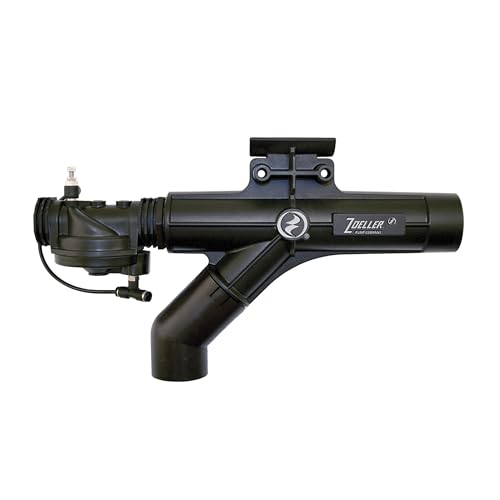
The Zoeller 540 FLEX provides backup protection during power failures using municipal water pressure. It supports horizontal or vertical installation and works with small sump pits, including overhead mounting. The system uses water to drive performance, with a high-efficiency design that helps prevent basement flooding when the primary pump fails or when power is out.
Star Basement Sentry Water Powered Backup (STWB140)

Star’s STWB140 uses city water pressure to power a backup sump pump, activating automatically in emergencies without electricity or batteries. It can be mounted horizontally in rafters or vertically in a sump basin (requires a basin at least 18″ wide by 22″ deep). This configuration provides flexible installation for tight spaces while ensuring backup capability when needed.
SumpJet Water Powered Backup Emergency Sump Pump

The SumpJet system accepts a wide inlet pressure range and operates automatically, providing high-output flow with no reliance on electricity. Its water-driven design makes it a practical choice for homeowners seeking a simple, dependable backup option to prevent basement flooding during storms or power loss, with automatic activation when needed.
Buying Guide: Key Purchase Considerations
When selecting a water-powered backup sump pump, several factors influence performance and long-term value. Consider the following perspectives to ensure you choose a system that fits your basement size, water supply, and maintenance expectations.
- Backup scope and capacity: Larger basements require higher flow rates. Compare gallons per hour (GPH) or performance ratings to match your space and typical rainfall or flood risk.
- Installation flexibility: Horizontal, vertical, or ceiling mounting options can ease retrofitting in tight or awkward pits. Look for models that offer multiple installation configurations.
- Reliability during outages: Water-powered systems should operate without electricity. Verify that the design includes reliable shutoff or activation triggers and avoids backflow risks with features like atmospheric vacuum breakers where applicable.
- Maintenance and parts: Choose units with clear installation instructions and readily available plumbing parts. A simple, low-maintenance setup saves time and reduces the risk of install errors.
- Safety and backflow prevention: Some models include backflow prevention to prevent contaminated water from re-entering the home. This is especially important in municipal water systems and emergency scenarios.
- Space and compatibility: Confirm sump pit dimensions and available space for horizontal versus vertical configurations. Ensure the chosen model fits within your existing pit and framing.
- Alarm and monitoring: Optional or built-in alarms (such as high-water alerts) help you monitor basement conditions remotely. If integrated, verify alert reliability and ease of integration with other home systems.
- Cost of ownership: While these pumps eliminate electricity costs, assess installation complexity and potential water usage, especially for homes with water pressure considerations or water-saving goals.
- Warranty and support: A strong warranty and accessible customer support provide confidence for long-term use and troubleshooting assistance.
These water-powered backup systems provide a practical option for basement protection, balancing automatic operation with minimal ongoing maintenance. They are particularly valuable in areas prone to power outages or where a durable, battery-free backup is desirable. Read product manuals and confirm compatibility with your home’s water pressure and plumbing to ensure optimal performance.