Best Plug-in Carbon Monoxide Detectors for American Homes
Choosing a reliable plug-in carbon monoxide detector is essential for daily safety. The following selections emphasize continuous monitoring, battery backups, and clear alert features to help protect your family during power outages or high CO levels. Each product is designed for standard 120V outlets and offers practical indicators such as digital displays, test/silence buttons, and dual-sensor options for added peace of mind. Below is a quick overview of five top picks with key details to compare at a glance.
| Product | Brand | Backup Power | Display / Alerts |
|---|---|---|---|
| Kidde 9-Volt Back-Up Plug-In | Kidde | 9-volt battery | Digital LED display; 85-110 dB alarm options |
| First Alert CO600 Plug-In | First Alert | Battery backup | Electrochemical sensor; silent/voltage test |
| NICGOL 4-in-1 Plug-In | NICGOL | AC with long-life backup options | Dual sensors; visual + audible alerts; temp & humidity |
| First Alert CO615 Dual-Power | First Alert | Battery backup | Digital display; peak level feature |
| Vilfet 4-in-1 2-Pack | Vilfet | AC power | Dual alarms; LCD display; CO & gas detection |
Kidde Carbon Monoxide Detector – 9-Volt Battery Backed Plug-In

The Kidde detector plugs directly into a standard 120V outlet and includes a built-in 9-volt backup battery. This configuration ensures monitoring continues during power outages. A digital LED display presents the current carbon monoxide level, helping occupants gauge gas presence quickly. Easy installation minimizes setup complexity for most homes. The device’s audible alarm and battery backup work together to provide continuous protection in living spaces such as bedrooms and kitchens.
Kidde Plug-In CO Detector With AA Battery Backup
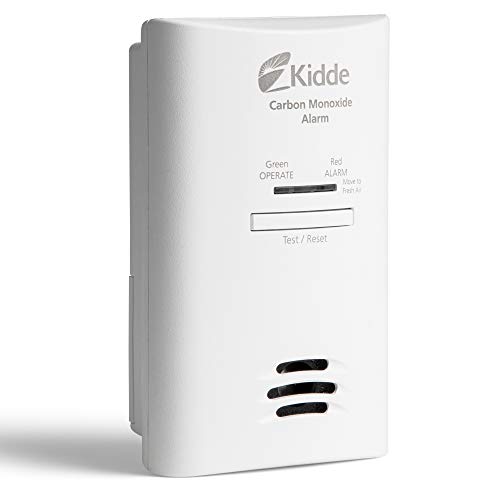
This model uses standard AA batteries as a backup for continuous monitoring when mains power is interrupted. An 85-decibel alarm is designed to warn occupants promptly if CO is detected. The plug-in design is compatible with most outlets, and the operator-friendly interface includes a test button for quick verification of the sensor’s functionality. Regular maintenance can help ensure consistent sensor accuracy over time.
First Alert CO600 Plug-In Alarm

Equipped with an electrochemical CO sensor for accurate detection, the CO600 integrates seamlessly with standard outlets. It includes a test/silence button to manage nuisance triggers and a loud 85 dB alert to alert occupants of dangerous gas levels. The composition makes it suitable for hallways or living rooms where audible warnings should be easily heard. Placement recommendations emphasize keeping detectors away from heat sources and in sleeping areas for optimal coverage.
NICGOL 4-in-1 Upgraded Gas & CO Detector

NICGOL’s upgraded 4-in-1 design combines natural gas detection, carbon monoxide sensing, temperature, and humidity monitoring in one plug-in unit. It features dual sensors and dual alarms with visual indicators and an 85 dB alarm for fast recognition of danger. The energy-efficient AC 110V–220V operation reduces standby consumption and supports long-term use. This model is particularly suited for kitchens, RVs, and areas where multi-hazard monitoring adds safety value.
Kidde CO Detector – Plug-In With Digital Display
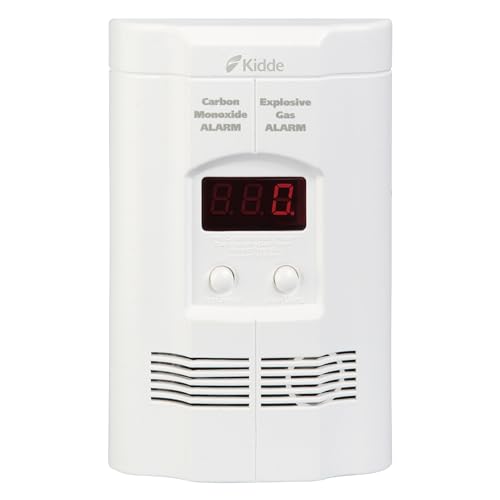
This Kidde model detects CO with a built-in digital LED display and provides plug-in convenience along with 9-volt battery backup for outages. It clearly communicates the CO level and shows a dedicated status readout when gas is present, replacing guesswork with precise information. The unit is designed for placement in common living areas and sleeping zones where audible alerts should be easily audible throughout the home.
Vilfet 4-in-1 2-Pack CO & Natural Gas Detectors
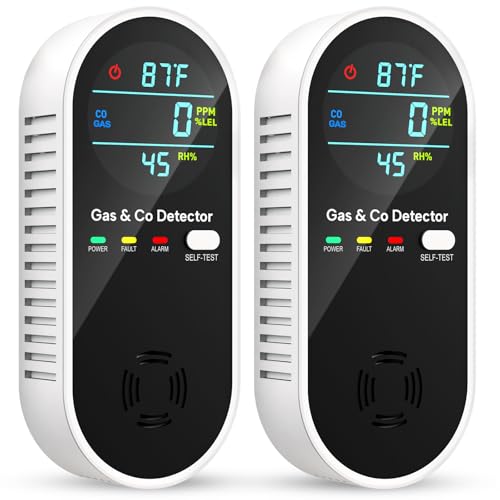
The Vilfet 2-pack includes 4-in-1 detectors offering natural gas, CO, temperature, and humidity sensing. With dual alarms and a color LCD display, readings are easy to read at a glance. These detectors use AC power with low standby consumption, and the two-pack setup provides flexible coverage for larger homes or multi-room configurations. The combination of gas and CO detection reduces the number of separate devices needed for comprehensive safety monitoring.
Buying Guide
- Coverage and placement: Install detectors in sleeping areas and living spaces. Place one near kitchens or garages for gas detection while ensuring at least one on each floor of the home.
- Power backup: Choose devices with reliable battery backups to maintain monitoring during power outages. Consider the type (9-volt vs AA) and battery life expectations.
- Sensor technology: Electrochemical sensors are standard for CO; dual-sensor units may add natural gas detection and environmental readings (temperature/humidity) which can aid in hazard assessment.
- Display and alerts: A digital display helps track CO levels. Loud, clearly audible alarms (around 85 dB or higher) improve noticeability across rooms, especially in busy households.
- Maintenance: Regular sensor replacement or testing should be integrated into routine safety checks. Look for devices with simple test buttons and remote status indicators.
- Interconnectivity: While most plug-in detectors operate independently, some models support basic interconnectivity for synchronized alerts; consider this if you have multiple detectors in larger homes.
- Certification and durability: Verify certifications and warranty terms. Durable housings and stable mounting options extend the detector’s service life in high-traffic areas.
- Energy efficiency: Low standby consumption helps reduce overall electrical load, particularly in rooms with multiple detectors or limited power capacity.
The selections above emphasize reliable plug-in operation, clear audible alerts, and practical backups to maintain continuous safety. When selecting a model, weigh the need for gas detection alongside CO monitoring and consider whether you prefer a single-device solution or a multi-device approach for larger living spaces.