Best Commercial Vinyl Plank Flooring Options for Busy Spaces
The best commercial vinyl plank flooring depends on traffic, installation needs, and the condition of the subfloor. For a more substantial floating-floor option, Suntecwood’s SPC plank is the strongest fit in this selection; SULSUMIC and MULGREAT offer easier peel-and-stick installation for suitable indoor areas. Art3d provides another DIY adhesive option, while its interlocking plank is designed for glue-free assembly and removal.
| Product | Best For | Installation |
|---|---|---|
| Suntecwood SPC Plank | Busy indoor areas needing rigid-core flooring | Click-lock floating floor |
| SULSUMIC Vinyl Plank | DIY updates and spill-prone rooms | Peel and stick |
| MULGREAT Vinyl Plank | Dry, flat floors and everyday foot traffic | Peel and stick |
| Art3d Old Wood Plank | Simple decorative floor refreshes | Peel and stick |
| Art3d Interlocking Plank | Glue-free installation and removal | Interlocking |
Suntecwood SPC Click-Lock Vinyl Plank
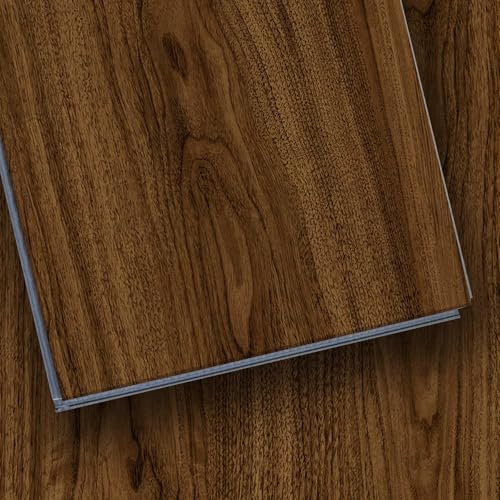
Best for: Buyers seeking a rigid-core floor for busy indoor spaces who prefer a floating, no-glue installation. This product is listed for indoor, commercial, and office use.
Its 5 mm overall thickness includes a 3.2 mm SPC core and attached 1.0 mm IXPE underlay. The listed features include a 0.3 mm wear layer, waterproof construction, and resistance to scratches, dents, and spills. The attached underlay is designed to reduce footstep noise.
Choose this over peel-and-stick planks when a click-lock format and rigid core suit the project. The listed coverage is 21.4 square feet, so buyers should calculate the full area and account for cutting waste. Confirm the subfloor and installation requirements before purchase.
SULSUMIC Waterproof Peel-and-Stick Planks

Best for: DIY buyers updating an indoor room who want wood-look visuals and a straightforward adhesive installation. One 36-piece pack is listed as covering 54 square feet.
The planks have a self-adhesive backing; installation involves cleaning the surface, removing the backing film, and pressing the plank into place. The product features describe the flooring as waterproof, heat-resistant, and wear-resistant, with a surface designed to withstand spills and pet scratches. Its wood-grain appearance is intended to resemble natural wood.
This may be better for a small, straightforward renovation than a complex commercial installation. Adhesive flooring depends on a clean, suitable surface, so it is not the right choice if the floor is uneven, dirty, or otherwise unsuitable for bonding. Check the product’s installation directions for surface preparation.
MULGREAT Warm Oak Peel-and-Stick Flooring
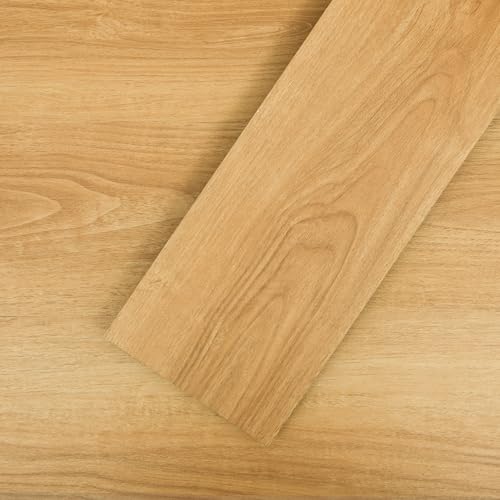
Best for: Buyers who want a warm-oak look and a self-adhesive option for a dry, flat surface. The 36-piece pack is listed to cover 54 square feet, and the manufacturer describes it for home and commercial-area use.
Listed features include a rigid core, strong adhesion, water resistance, and a wear layer intended to resist scratches and abrasion from walking. The product is described as easy to clean and suitable for DIY installation. Those features make it a practical candidate for a modest indoor refresh where the floor meets the stated surface conditions.
Choose this if a peel-and-stick format matters more than a floating click-lock system. The product information specifies dry and flat surfaces; avoid assuming it will adhere well to an unsuitable or uneven subfloor. Water resistance is not the same as a guarantee against installation problems or standing water.
Art3d Old Wood Peel-and-Stick Planks

Best for: DIY renovators who prioritize a wood-grain look and simple installation. The pack contains 36 planks, and the listed features emphasize an old-wood appearance and textured grain.
Installation is described as peel-and-stick, without power tools or prior experience. That can suit a smaller flooring project where a basic adhesive plank system is preferred. The visual style may also help buyers coordinate a room around a weathered wood look.
The provided product details do not specify a coverage area, wear-layer thickness, or waterproof performance. Buyers planning a commercial or high-traffic installation should verify those details and confirm the product is appropriate for the intended use before ordering. It is less suitable when documented durability specifications are a deciding factor.
Art3d Interlocking Vinyl Floor Planks

Best for: Buyers looking for a glue-free plank system that can be disassembled and reused. Each plank measures 36 by 6 inches, and the product is sold in an 18-pack.
The interlocking design is intended to install and remove without tools or adhesive. The listed features include a wear-resistant UV layer and a click-lock construction described as reusable. The manufacturer also describes the planks as formaldehyde-free and odorless.
Choose this format if avoiding glue and enabling later removal are priorities. The supplied details do not state a coverage figure, thickness, or specific commercial traffic rating. Calculate coverage from the plank dimensions and verify suitability for the intended traffic level before selecting it for a business setting.
Buying Guide: How To Choose Commercial Vinyl Plank Flooring
Which installation style fits the space?
Peel-and-stick planks can simplify DIY work, but they require a clean, compatible surface for adhesion. Click-lock and interlocking products avoid adhesive during installation and may be easier to take apart. Compare the subfloor, project timeline, and whether future removal matters before choosing.
How much traffic will the floor handle?
For busy spaces, look for specific wear-layer and durability information rather than relying only on broad terms such as “commercial” or “wear-resistant.” Suntecwood lists a 0.3 mm wear layer and a 15,000-cycle abrasion test. Other products in this group provide fewer quantified performance details, so request or check additional specifications when traffic is heavy.
What should buyers know about water resistance?
Waterproof or water-resistant claims can help with spill-prone rooms, but they do not establish that every floor and installation will tolerate standing water. Follow the product’s installation directions, pay attention to seams and edges, and confirm the manufacturer’s guidance for the planned location.
How should coverage be calculated?
Measure the room’s length and width, multiply them for square footage, and compare the result with the package coverage. SULSUMIC and MULGREAT list 54 square feet per pack; Suntecwood lists 21.4 square feet. Add material for cuts and layout adjustments, and verify the coverage of products whose supplied details omit it.
Should the floor be installed by a professional?
A straightforward, small project may suit a DIY installer if the subfloor and instructions are appropriate. Larger commercial spaces, uneven floors, demanding traffic conditions, or projects with strict performance requirements may call for professional assessment and product documentation before installation.
Frequently Asked Questions
Is peel-and-stick vinyl plank suitable for commercial use?
Some products are described for commercial indoor areas, but suitability depends on traffic, surface preparation, and product specifications. Check for documented wear performance before using adhesive planks in a busy business.
Which option has the most detailed durability specifications?
Suntecwood provides the most quantified details in this selection, including a 0.3 mm wear layer and a stated abrasion-cycle test. Confirm that its specifications meet the project’s requirements.
Can vinyl plank flooring be installed over any floor?
No. Surface requirements vary by product. MULGREAT, for example, specifies a dry and flat surface, while SULSUMIC directs users to clean the surface before applying the planks.
Is waterproof flooring protected from every water problem?
No. A waterproof product claim does not guarantee that seams, edges, or an unsuitable installation will prevent all water-related damage. Follow the manufacturer’s instructions and use the product only in appropriate locations.
How do click-lock and peel-and-stick planks differ?
Peel-and-stick planks use adhesive backing and bond to the prepared surface. Click-lock or interlocking planks connect to one another without glue, and some systems are designed to be removed and reused.