Best Fire Resistant Exterior Paint for Safer Home Exteriors
Protecting exterior walls from heat and flame is a growing priority for homeowners. This article highlights leading fire resistant exterior paints and coatings that help slow fire spread, reduce smoke, and minimize damage to structures. Each product is evaluated for performance, safety, and ease of use to help informed decisions. The following selections emphasize low or zero VOCs, durable finishes, and compatibility with common building materials in American homes.
Summary of chosen products:
| Product | Brand | Key Benefit | Typical Use |
|---|---|---|---|
| Contego Original Formula Intumescent Coating | Contego | Zero flame spread, zero smoke production, water-based | Interior and exterior walls, framing in fire heated areas |
| Flamecheck M-111PA Fire Retardant Paint Additive | Flamecheck Simply Safer | Adds fire retardant properties to latex paint | Interior and exterior latex coatings for broader substrates |
| INSL-X FR110099-01 INS-LX Fire Retardant Paint | INSL-X | High performance, low VOC, slows fire and smoke spread | Residential walls and exterior surfaces |
| NADAMOO High Heat Spray Paint | NADAMOO | Withstands up to 1200°F, rust protection, convenient spray | Metal surfaces on grills, stoves, outdoor fixtures |
| Rustins Heat Resistant Black Paint | Rustins | Heat resistance up to 220°C, quick-drying | Grills, metal and wood surfaces exposed to heat |
Contego Original Formula Intumescent Coating

Contego Original is a water-based intumescent coating designed to protect walls and frames in living spaces and key areas such as kitchens and bedrooms. It provides zero flame spread and eliminates smoke production during a fire, offering superior adhesion as a latex, single-component coating. The formulation is VOC-free, aligning with safety and indoor air quality concerns. When exposed to high heat, the film swells away from the surface, blocking oxygen and slowing fire progression. It is suitable for virtually any building material, making it versatile for residential exterior and interior applications where fire safety is a priority.
Flamecheck M-111PA Fire Retardant Paint Additive
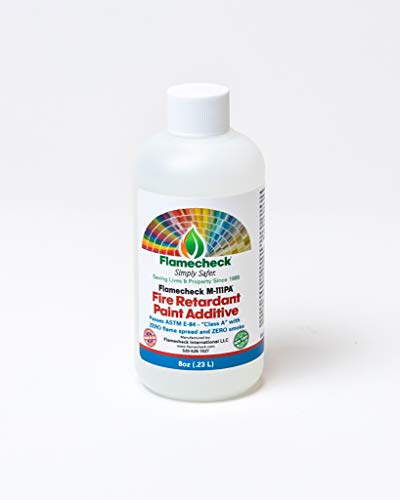
Flamecheck M-111PA is a non-toxic fire retardant additive designed to mix into latex paints or primers. One eight-ounce bottle treats one gallon of paint, creating a safer coating with a focus on minimizing flame spread and smoke development. ASTM E-84 testing reports zero smoke and zero flame spread on non-flammable substrates. Safe for use in homes, offices, cabins, and other structures, it provides an accessible upgrade path for existing exterior paints without replacing entire coatings. This additive is well-suited for projects where brushing or spraying a new finish isn’t desirable.
INSL-X Fire Retardant Paint (FR110099-01 INS-LX)

INSL-X FR110099-01 INS-LX is a high-performance, low VOC fire retardant paint that slows the spread of fire and reduces smoke development. The product emphasizes safety without sacrificing finish quality, making it a practical choice for exterior walls where fire resistance is a concern. Its formulation supports durable coatings on typical residential substrates while maintaining lower emissions during application and curing, aligning with modern green building expectations.
NADAMOO High Heat Spray Paint
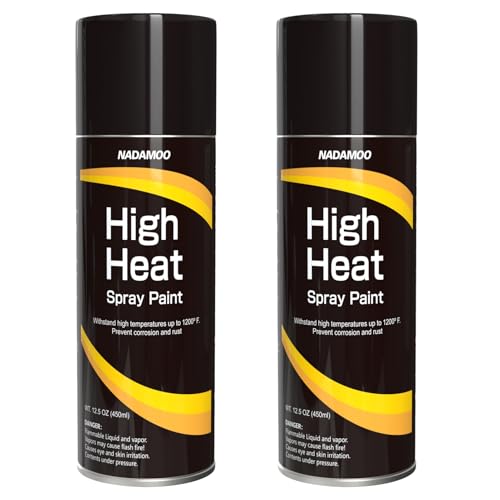
NADAMOO High Heat Spray Paint offers convenient spray application with resistance up to 1200°F. It provides long-lasting rust protection and a durable matte finish, making it suitable for metal exterior elements such as grills, stoves, and outdoor fixtures exposed to high temperatures. The spray format eliminates brush strokes and speeds up DIY projects, especially where vented outdoor spaces are available. It is ideal for touch-ups or finishing metal components in heat-prone exterior environments.
Rustins Heat Resistant Black Paint
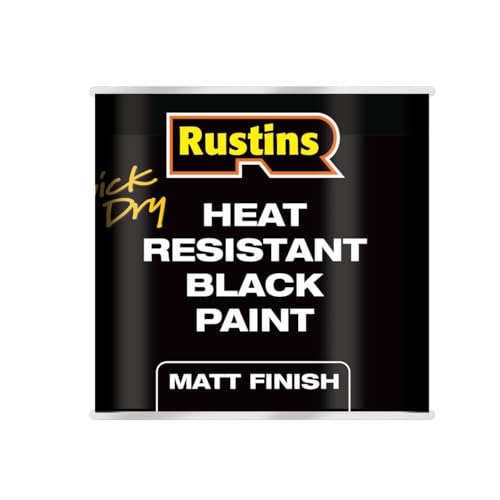
Rustins Heat Resistant Black Paint is a quick-drying coating that stands up to temperatures as high as 220°C. It is versatile for grills, metal, and wood surfaces that experience heat exposure. It is not recommended for use on wood-burning stoves or highly extreme heat sources, but it can be a practical exterior finish for fire-prone zones on outdoor metal structures. The paint’s durability and ease of application make it suitable for homeowners seeking a straightforward heat-resistant solution for exterior metal features.
Buying Guide: Key Purchase Considerations
When evaluating fire resistant exterior coatings, consider these practical factors to ensure you choose the right product for your home:
- Fire performance and testing: Look for products with explicit fire resistance ratings or certifications. Some coatings protect by forming insulating layers, while others slow flame spread and smoke production.
- VOC content and indoor air quality: Low VOC or zero VOC formulas reduce odors during application and minimize volatile emissions after curing, important for areas near living spaces.
- Substrate compatibility: Exterior paints and coatings must adhere to masonry, siding, wood, brick, or metal. Verify surface preparation requirements and compatibility for your project.
- Application method: Brushes, rollers, airless sprayers, or spray cans each offer different coverage rates and finish qualities. Some products double as primers or topcoats, reducing steps.
- Finish and color retention: Durable finishes resist peeling and chalking in sun and rain. Consider whether you need matte, satin, or gloss finishes and how color may fade over time.
- Safety and odor: For interior-used products, low odor and safe handling are important. For exterior use, evaluate weather resistance and cure times in your climate.
- Surface preparation and pre-treatment: Some products require pre-priming or surface conditioning; others are ready-to-use. Factor in prep time and labor costs.
- Maintenance and reapplication: Fire resistant coatings may require periodic inspection and touch-ups. Check recommended recoat windows and cleaning guidelines.
- Cost versus coverage: Compare coverage per quart or gallon and the long-term protection offered by each option to determine value over time.
Choosing a combination approach is common: use a fire retardant additive to boost existing exterior paints, or apply a dedicated intumescent or low-VOC fire resistant coating for high-risk areas. Evaluate the specific fire hazards around doors, windows, eaves, and vent openings to determine the best coverage strategy for your property.