Best Efficient Electric on-Demand Water Heaters for American Homes
Choosing an on-demand electric water heater can cut energy use while delivering reliable hot water for showers, dishes, and laundry. This guide highlights five highly efficient models that balance flow, temperature stability, and space savings. Explore options from compact point-of-use units to whole-house systems designed for steady performance across multiple outlets.
| Product | Brand | Approx. Power (kW) | Max Flow (GPM) | Key Benefit |
|---|---|---|---|---|
| 18kW Electric Tankless Water Heater | APUS | 18 | Up to 4.4 | High efficiency with memory and self-modulating tech |
| Rheem 18kW Tankless Electric | Rheem | 18 | Up to 4.4 | LED display and advanced self-modulation |
| GEN II Ranein 18kW Tankless | Ranein | 18 | Up to 4.3 | Compact, space-saving with high efficiency |
| ThermoMate 3500W 120V Tankless | ThermoMate | 3.5 | 0.4–0.66 | Compact, under-sink efficiency with temperature display |
| GE 10 Gallon Plug & Play | GE | 10 | N/A | Versatile plug-and-play installation |
These selections cover a range of needs—from whole-home on-demand to convenient point-of-use solutions—while emphasizing efficient operation and modern controls. The models shown balance flow capability, electrical requirements, and footprint, helping homeowners minimize energy waste without sacrificing hot water reliability.
APUS 18kW Tankless Electric Water Heater
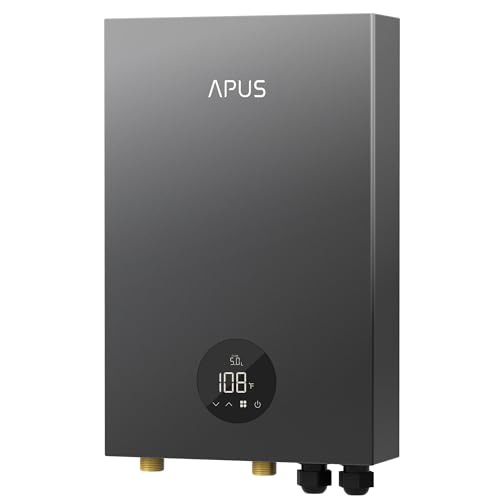
- Continuous hot water with up to 4.4 GPM for multiple uses
- LED temperature display with 1°F accuracy (86°F–140°F)
- Built-in memory preserves settings after outages
- Self-modulating technology saves energy and stabilizes temperature
- High thermal efficiency (99.8%) and anti-scale interior extend lifespan
Rheem 18kW Tankless Electric Water Heater
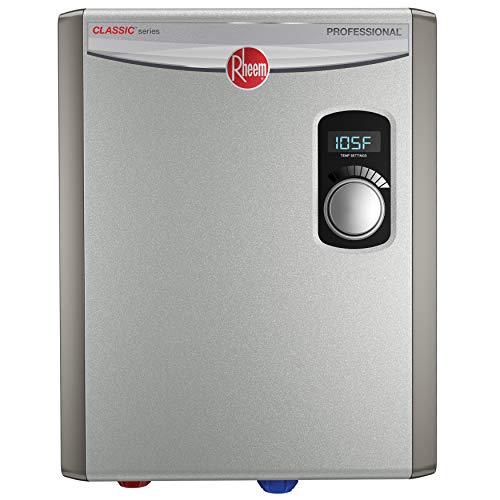
- External digital thermostatic control with LED display
- Self-modulation adjusts power to match demand
- Durable copper immersion heating elements
- Flow rate up to 4.4 GPM for whole-house performance
Rheem 6.5kW Point of Use Thermostatic Heater

- Endless hot water at the point of use with consistent temperature
- Space-saving design, 90% smaller than traditional tanks
- Precise temperature control within 1 degree
ThermoMate 3500W Tankless Electric Water Heater

- On-demand water at 3500W with a temperature display
- Temperature range 86°F–131°F
- Self-modulating power saves energy and reduces overheating risk
- Hard-wired installation with SUS 304 stainless steel components
GEN II Ranein 18kW Tankless Electric

- Requires two dedicated 240V circuits for operation
- Flow up to 4.3 GPM with 99% thermal efficiency
- Compact design supports space-saving whole-house installs
- No preheating—hot water on demand
GE Appliances 10-Gallon Versatile Electric Water Heater
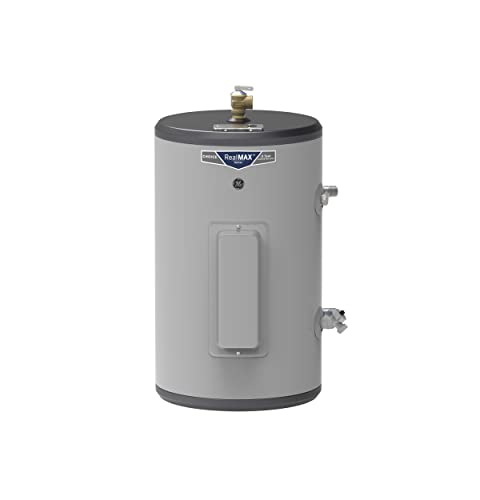
- Versatile 10-gallon capacity with adjustable thermostat
- 120-volt plug-in compatibility for easy installation
- Compact design suitable for kitchens, bathrooms, or RVs
- 8-year warranty on tank and parts with 1-year labor
BOSCH Electric Mini-Tank Tronic 3000
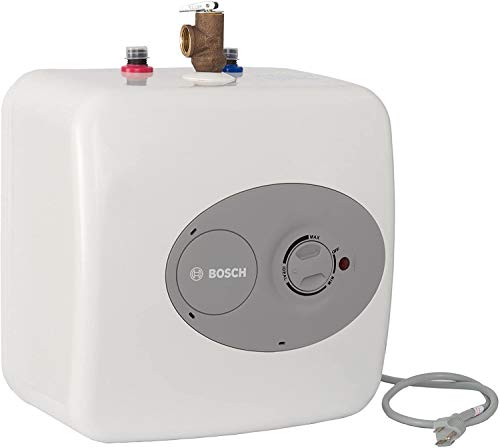
- 2.5-gallon point-of-use unit fits under a sink
- Thermal efficiency around 98%
- Compact dimensions for tight spaces and independent installation
KINGRVER RV Hybrid Water Heater
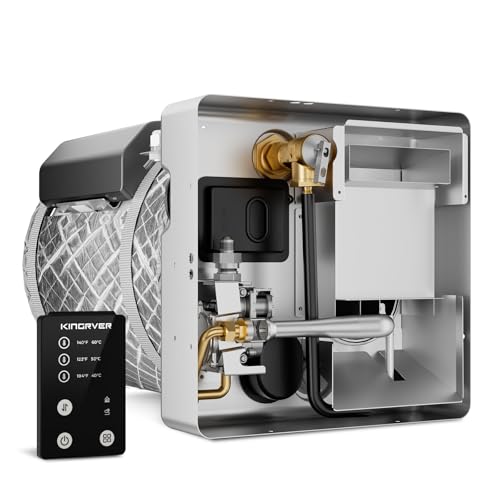
- Supports electric, gas, or hybrid modes for flexible camping setups
- Porcelain-lined steel tank for durability
- One-touch presets and multiple temperature options
Buying Guide: Key Purchase Considerations
When selecting an electric on-demand water heater, consider a few core factors to optimize for efficiency, reliability, and space. First, determine your hot water demand by evaluating peak flow requirements across fixtures. Whole-house models with 18 kW input typically handle 2–3 simultaneous uses, while point-of-use units are ideal for under-sink or vanity hot water without extensive electrical upgrades.
Electrical requirements matter. Higher-powered units (18 kW) often require two dedicated 240 V circuits and proper gauge wiring. Less powerful units (3.5–6.5 kW) may run on a single 120 V or 240 V circuit, but capacity will be limited. Self-modulating technology helps conserve energy by adjusting power to match flow, reducing standby losses and overall energy use.
Temperature control is another important aspect. Look for models with digital displays or easy-to-use knobs, and note the temperature range. Stable output within a small degree of setpoint improves comfort and reduces energy waste from re-heating. Consider units with anti-scale interiors or corrosion-resistant materials for longer lifespans in hard water conditions.
Size and installation flexibility affect choice. If space is tight, compact or under-sink options provide efficient hot water without a bulky footprint. For homes with multiple points of use, a higher-capacity unit or a tandem setup can deliver steady temperature across showers and sinks. Finally, warranty coverage and serviceability influence total ownership costs and maintenance ease.
In sum, the best choice depends on your home’s hot water demand, available electrical supply, and space constraints. For households seeking robust, whole-house efficiency with strong runtime, 18 kW models from brands like APUS, Rheem, and GEN II Ranein offer reliable performance. For tighter spaces or single outlets, ThermoMate, GE, Bosch, and KINGRVER options provide efficient, flexible alternatives without excessive installation complexity.