Best Red Oak Stair Risers: Top Treads and How to Choose for Your Stairs
When upgrading stairways, red oak stair treads stand out for durability, classic grain, and ease of finishing. This guide highlights five high-quality red oak tread options that pair well with red oak stair risers, helping you achieve a cohesive, timeless look. Each pick emphasizes solid timber, precise profiles, and straightforward installation to support long-lasting stairs in American homes.
Summary of Selected Products
| Product | Brand | Profile & Size | Notes |
|---|---|---|---|
| Red Oak Solid Wood Stair Tread with Small Square Nose (36″ x 11.5″ x 0.75″) | Generic | 3/4″ thick, small 1/4″ round-over nose | Unfinished solid Red Oak; Canadian origin |
| 42-Inch RetroFit Tread Kit with Riser | House of Forgings | Red Oak; 42″ length | Remodel kit; removes carpet, adds hardwood |
| Red Oak 8070-60 Bullnosed Tread | House of Forgings | Open bullnose; 60″ length | Closed rake design variant |
| Solid Red Oak Stair Tread with Small Square Nose (42″ x 11.5″ x 0.75″) | Generic | Same profile as 36″ version; 42″ length | Unfinished solid Red Oak |
| Solid Red Oak Stair Tread with Large Square Nose (42″ x 11.5″ x 0.75″) | Generic | 1 3/4″ square nose; 42″ length | Bold nose profile; solid oak |
Red Oak Solid Wood Stair Tread With Small Nose (36″ x 11.5″)

The tread features a solid Red Oak construction with a 1/4″ round-over square nose profile. Dimensions are 36 inches long by 11 1/2 inches wide and 3/4 inch thick. It is unfinished and milled from solid red oak sourced in Canada, avoiding layered veneers. This choice supports a durable, traditional look that ages well with exposure to foot traffic.
Key considerations: solid wood offers moisture resilience and easy refinishing; ensure compatibility with existing risers and stringers; unfinished surfaces let you match stain and finish to your stairs.
42-Inch RetroFit Tread Kit With Riser
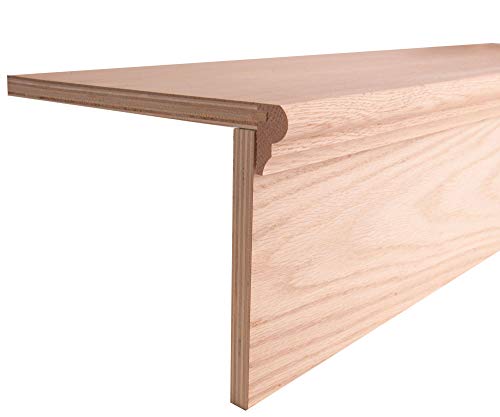
House of Forgings offers a RetroFit tread kit designed for carpet removal and hardwood installation. The kit uses red oak and is marketed as a premium USA-made option. It’s ideal for remodels where you want a seamless transition from carpet to wood, with a design emphasis on quality and longevity. This option is especially suitable for stairs remodel projects seeking a durable, finished look with minimal on-site alteration.
Key considerations: verify stair dimensions and the compatibility of risers with your current setup; this kit may simplify installation but requires precise measurement and alignment during update.
Red Oak 8070-60 Bullnosed Tread

This tread features a closed rake option with a bullnose edge, crafted in red oak for a sturdy, high-visibility profile. The product is marketed by House of Forgings as a premium USA-made option, with emphasis on quality. It’s a good fit for stairs where durability and a pronounced edge profile are desirable, blending well with other bullnose or open-riser configurations.
Key considerations: bullnose edges can impact the visual rhythm of a stair line; ensure the profile aligns with your riser height and the overall stair geometry.
Solid Red Oak Stair Tread With Small Nose (42″ x 11.5″)
This 42-inch solid red oak tread mirrors the 36-inch version with a 3/4-inch thickness and a 1/4″ rounded square nose. Being unfinished, it offers flexibility to match stain color with existing risers. The Canadian-sourced solid oak ensures a stable, long-lasting surface that resists denting and wear when properly treated.
Key considerations: verify your stair width and run to ensure a 42″ tread aligns with your staircase plan; plan for finish work to achieve consistent color across all steps.
Solid Red Oak Stair Tread With Large Nose (42″ x 11.5″)
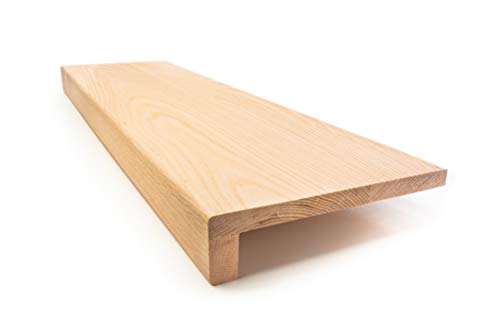
This option features a large 1 3/4″ square nose, offering a bold edge profile on a 42″ x 11 1/2″ footprint. The tread is solid red oak, unfinished, and Canadian-sourced, designed to replace carpeted or pine stairs. The enhanced nose profile can provide a striking contrast with red oak risers and can influence lighting and shadow lines on the stair run.
Key considerations: ensure the larger nose profile suits your architectural style; assess compatibility with any railings or balusters that interact visually with the tread edge.
Buying Guide: Red Oak Stair Treads And Risers
- Material quality: Look for solid red oak rather than veneer to ensure durability under heavy foot traffic. Solid wood generally performs better over time in high-traffic areas.
- Finish and color match: Unfinished treads offer flexibility to match your existing stairs. Plan your finish for both treads and risers to achieve a cohesive look across the staircase.
- Edge profile: Nose profiles (small, large, or bullnose) affect both aesthetics and safety. Choose a profile that complements your risers and railing design while reducing trip hazards.
- Dimensions: Verify tread length, width, and thickness to fit your staircase. Common lengths include 36″ and 42″, with thickness around 3/4″.
- Remodel compatibility: For carpet-to-hardwood updates, consider retrofit kits that simplify alignment and provide a consistent finish from tread to riser.
- Origin and craftsmanship: Products made in Canada or the USA from solid wood are often valued for stability and consistent grain. Check for milling quality and warranty details.
- Installation considerations: Straight runs are easier to install. If your stairs have landings or custom angles, plan for precise cutting and finishing to avoid gaps or uneven edges.
- Maintenance: Periodic refinishing extends life. Red oak accepts a variety of finishes, but ensure you follow a consistent process for all treads and risers.
- Durability vs. cost: Solid red oak treads tend to be pricier than veneered options but deliver superior long-term value in wear resistance and repairability.
- Aesthetic harmony: Coordinate with red oak stair risers and banisters to maintain a unified look that complements your home’s interior style, whether traditional, transitional, or modern.
Additional Considerations
When selecting stair components, consider future remodeling. If you plan to switch railings, add a bullnose edge for a more pronounced profile, or select longer treads to reduce seams, keep a consistent design language across all steps. For homes with aging or shifting structures, verify that stringers and supports remain sturdy and that your chosen treads align with the stair geometry.