Best Roll Out Temporary Flooring Options for Quick, Protective Coverage
Temporary flooring solutions offer fast, damage-free protection or easy, removable updates for renovations, construction, or seasonal outdoor use. This guide highlights five top roll-out options that balance durability, ease of installation, and versatility for American homes and projects. From rosin paper protection to peel-and-stick vinyl tiles and outdoor decking rolls, these picks cover indoor and outdoor needs without commitment or mess.
| Product | Key Benefit | Best For |
|---|---|---|
| TapeManBlue Floor Protection Paper | Thick rosin paper, heavy weight, USA-made | Painting, moving, construction sites |
| VDOADS 39″ x 100′ Floor Protection Roll | Non-adhesive, multi-layer durability | Long-term construction, interior protection |
| auxua Wood Grain Peel & Stick Tiles | Double-width, roll-up convenience, easy DIY | Renovations, quick remodels |
| d-c-fix Outdoor Flooring Roll Brown Oak | Outdoor, weatherproof vinyl roll | Decks, patios, boat decks |
| Floorlot Underlayment with Moisture Barrier | Moisture protection, sound reduction | Laminate and wood floors |
Whether you need a paint-safe barrier, temporary protective covering, or a DIY-friendly flooring update, these products provide solid options for quick roll-out coverage. The following sections detail each option, with practical notes on installation, durability, and coverage to help you compare at a glance.
TapeManBlue Floor Protection Paper
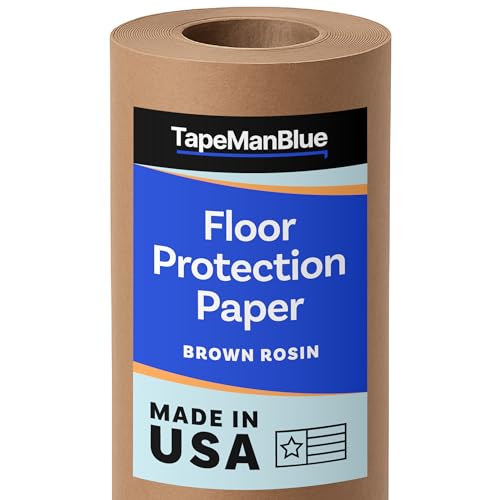
This floor protection paper is a 36 inch by 166 foot roll, weighing 69 pounds per thousand square feet, making it a robust option for most construction and renovation projects. It works as a painting drop cloth, a surface barrier for walls and countertops, and a general floor covering that helps prevent damage from spills, dust, and traffic. The product is made in the USA, offering a durable option that holds up through the project lifecycle. One roll covers about 498 square feet, providing generous coverage for larger spaces without fuss.
VDOADS Heavy-Duty Temporary Floor Protection Roll

This 39″ x 100′ temporary floor protection roll is designed without adhesive, with a non-marking tape included as a gift to secure the edges. It features multiple composite layers for tear resistance and durability, plus a rough frosted surface for anti-slip performance. The bottom includes cotton for impact resistance and stability, helping protect floors during construction, renovations, painting, or pet-friendly spaces. The roll is suitable for indoor or outdoor use and can be reused over time, making it a versatile choice for sustained protection against moisture, spills, and abrasions.
auxua Wood Grain Peel and Stick Floor Tiles

auxua wood grain tiles offer a peel-and-stick vinyl flooring solution with a full roll length, designed for quick DIY updates. Each tile is self-adhesive and features a grey wood grain finish, providing a double-width 11.8-inch tile format that covers more area per piece. The roll design makes storage and handling simpler, while the vinyl material is waterproof and non-slip, delivering a practical option for renters or any space needing an easy, reversible flooring upgrade without tools or grout work.
d-c-fix Outdoor Brown Oak Flooring Roll

This outdoor flooring roll from d-c-fix provides a quick, all-weather solution for decks, boats, patios, and porches. The roll is designed for easy installation with basic tools, and features a durable PVC and woven backing to resist wear, moisture, and UV exposure. It’s a practical option for expanding living areas outdoors or replacing worn carpeting and tiling with a single, roll-out step that remains water-ready and visually appealing through varying weather conditions.
Floorlot Underlayment With Moisture Barrier

Floorlot offers an underlayment roll with a built-in moisture barrier designed for laminate and wood floors. The 200 square foot roll helps protect against subfloor moisture while contributing to sound reduction. This product is ideal for indoor installations where moisture exposure is a concern, and it supports a quieter, more comfortable living environment by dampening footstep noise without the need for additional sealing films or complex installation.
Buying Guide: Key Purchase Considerations
- Intended use: Indoor protection, outdoor durability, or a quick cosmetic update will dictate the best choice. For painting or renovation, a dense, non-adhesive cover like rosin paper or heavy-duty protection rolls is ideal; for quick renovations, peel-and-stick tiles offer immediate results.
- Durability and tear resistance: Construction sites benefit from multi-layer, tear-resistant options, whereas simple DIY updates can use lighter weight or adhesive-free coverings.
- Moisture resistance: If moisture exposure is likely, moisture barriers or waterproof flooring rolls reduce risk to subfloor and finishes.
- Adhesive and residue: Non-adhesive options with optional edge-taping prevent surface residue, which matters for rental properties or temporary setups.
- Ease of installation and removal: Peel-and-stick tiles and roll-out sheets with simple handling speed up projects; reusable materials save time on longer-term jobs.
- Coverage area: Measure spaces to estimate how many rolls or tiles are required, and check roll length and width to maximize coverage with minimal waste.
- Climate and exposure: Outdoor rolls should resist UV, moisture, and temperature changes, while indoor products focus on odor, VOCs, and safety underfoot.
- Reusability and disposal: Some products are designed for multiple uses and easier disposal, which can impact total project cost and environmental impact.
Each option above balances protection, speed, and versatility for different temporary flooring needs. When choosing, consider how long you need coverage, whether you require a temporary or semi-permanent finish, and how easily you can remove or repurpose the materials after the project concludes.