Best RV Window Unit AC for Mobile Comfort
Looking for a reliable window air conditioner that fits an RV or camper and keeps your space comfortable on the road? This guide highlights top window AC units well-suited for limited spaces, easy installation, and efficient cooling in mobile environments. Each option balances BTU capacity, energy use, and user-friendly controls to help you pick a model that meets your travel lifestyle. Below you’ll find five strong choices with key features to consider when cooling an RV, motorhome, or travel trailer.
| Product | Brand | BTU | Square Foot Range | Notes |
|---|---|---|---|---|
| Amazon Basics 5000-BTU | Amazon Basics | 5000 | Up to 150 | Compact, two-in-one cooling and fan, washable filter |
| Amazon Basics 6000-BTU | Amazon Basics | 6000 | Up to 250 | Digital display, remote, washable filter |
| GE Window AC Unit | GE | 5000 | Up to 150 | Manual fan options, easy install kit |
| Bonnlo 6000 BTU | Bonnlo | 6000 | Up to 250 | Remote, 24-hour timer, ECO mode |
| BLACK+DECKER 8000 BTU | BLACK+DECKER | 8000 | Up to 350 | Remote, multiple cooling speeds |
The following selections emphasize compact form factors, straightforward installation, and practical features that RV owners often value, such as remote operation, adjustable airflow, and easy-to-clean filters. Each entry below includes a direct link for quick access and a concise breakdown of why it suits mobile cooling needs while staying mindful of space, power, and noise considerations common to RV environments.
Amazon Basics 5000-BTU Window AC

Designed for smaller RV spaces, the Amazon Basics 5000-BTU model delivers efficient cooling for areas up to 150 square feet. Its two-in-one functionality provides both cooling and a fan-only option, helping you conserve energy when full cooling isn’t necessary. The unit uses an easily washable filter to capture dust and allergens, which is beneficial for compact living areas with limited ventilation. With 7 precise temperature settings and 2-speed cooling plus a 2-way air direction control, you can tailor airflow to your preferred comfort level in tight spaces like a vacation trailer or a small camper bedroom.
Amazon Basics 6000-BTU Window AC

For RVs and trailers that require a bit more cooling power, the 6000-BTU unit covers up to 250 square feet. It retains two-in-one cooling and fan modes, and includes an accessible washable filter to reduce dust buildup in tight interiors. Its 7 temperature settings and dual airflow options help maintain a steady climate during hot days on the road. A digital display and remote control add convenience when you’re relaxing in a small living area or bunk room after a day outdoors, ensuring you can adjust settings without moving from your seat.
GE Window AC Unit 5,000 BTU

GE’s 5000-BTU model is a strong fit for compact RV bedrooms or small living areas where space is at a premium. It’s designed to efficiently cool up to 150 square feet, making it ideal for tight cruise-ship-like bunks or small trailers. The unit emphasizes simplicity with a straightforward manual adjustable fan and cooling settings, and it includes an installation kit to streamline setup in limited window openings typical of RVs. Low-noise operation helps minimize disturbances during evening hours in a compact campsite cabin.
Bonnlo 6000 BTU Window AC

The Bonnlo 6000-BTU model offers robust cooling for RV spaces up to 250 square feet, along with a practical remote and a 24-hour timer. An ECO mode helps conserve energy when the unit isn’t in full-use mode, which is useful for overnight excellent efficiency in a motorhome or camper. The unit also features multiple fan speeds and a simple installation process with included mounting hardware, making it a versatile option for RVs with standard window dimensions. The remote control and LED display enable easy operation from across a small living area or kitchen space.
BLACK+DECKER 8000 BTU Window AC
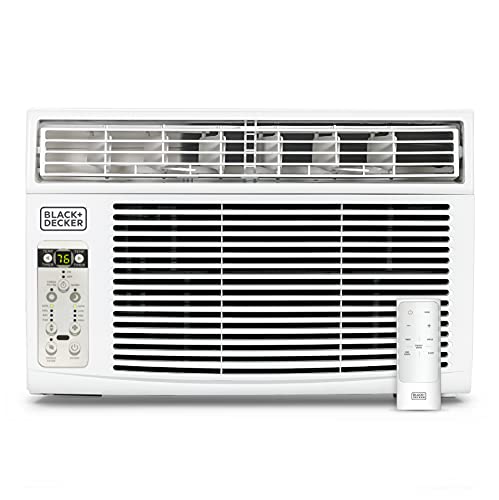
When RV space allows for higher cooling capacity, the BLACK+DECKER 8000-BTU unit can handle rooms up to about 350 square feet. It offers three cooling speeds and a fan-only option, plus a full-function remote for convenient control from seating or sleeping areas. While larger, this model can be a fit for bigger RVs or sectioned living spaces, balancing stronger cooling with the mobility demands typical of travel lifestyles. Sleep and energy-saving features help maintain comfortable temperatures without excessive power use, an important consideration for RV power management.
Buying Guide: Key Purchase Considerations for RV Window Units
- Room size and BTU capacity: RVs vary in interior footprint. Select BTU ratings that comfortably cover the primary living space (not just a single sleeping area) to avoid overworking the compressor or undercooling during peak heat.
- Window compatibility and installation: Measure window width and height, as well as sill depth. Look for included installation kits and side panels that fit common RV window dimensions to minimize gaps and secure mounting.
- Power consumption and generator impact: RVs often rely on limited power or generators. Consider models with ECO or energy-saving modes, and precise fan speeds to balance comfort with power use.
- Controls and accessibility: Remote controls, digital displays, and simple mechanical knobs are valuable for RV living where reaching the unit might be awkward during a drive or when seated.
- Filtration and maintenance: Washable filters reduce dust accumulation in compact spaces. Easy cleaning and replacement options help maintain air quality in mobile environments.
- Noise levels: In limited interior space, quieter units make for better sleep and daily living. Compare decibel ratings when choosing between compact or larger window units.
- Durability and warranty: RV appliances face vibrations and travel wear. Look for units with solid mounting hardware and a solid warranty to cover mounting and operation in mobile use.
In selecting the best RV window unit, consider how often you’ll use the unit in varying climates, how easily you can access and service it, and how the unit’s size balances cooling needs with the available window space. For campers who prioritize quiet operation, compact footprints, and straightforward installation, smaller BTU units with washable filters and basic remotes may be preferable. Conversely, larger rigs or frequent hot-weather trips may benefit from higher BTU units that still offer adjustable airflow and energy-saving modes without compromising the RV’s power budget.