Best Standing Seam Metal Roofing Products for Ridge Ventilation and Finishing
For standing seam metal roofing, the right ridge components can help provide attic ventilation, close roof-panel gaps, and finish exposed edges. The Cor-A-Vent V-600TE is best for a ridge vent designed for standing seam roofs, while the LCF Universal Vented Ridge Material suits ribbed and agricultural panels. The DEK-Cap provides an end-cap option, and the Malco and GEEMCYEN tools help with metal-panel edge work. These products serve different purposes, so choose according to your roof profile and project needs.
| Product | Best suited for | Primary role |
|---|---|---|
| Cor-A-Vent V-600TE | Standing seam and barrel tile roofs | Ridge ventilation |
| LCF Universal Vented Ridge Material | Ribbed and AG panels | Vented ridge closure |
| EAGLE 1 DEK-Cap | Trapezoidal panel ends and ridge applications | Seam end protection |
| Malco DEFT16 | Roofers forming drip-edge panels | Panel bending |
| GEEMCYEN HTSL25E2 | Roofers finishing eaves and flashing | Second-stage hemming |
Cor-A-Vent V-600TE Ridge Vent

Best for roofers or homeowners seeking a purpose-built ridge vent for standing seam metal roofing. Cor-A-Vent lists 10 square inches of net free area (NFA) per linear foot and says the vent can be used across a broad range of roof pitches. Its stated applications include standing seam metal and barrel tile roofs.
The V-600TE version includes an enhanced snow screen intended to let attic air out while helping prevent weather from entering. The product is also offered as a standard V-600T version, so buyers should check which version they are selecting.
Limitation: Its listed airflow is 10 square inches of NFA per linear foot. Confirm that this meets the ventilation requirements for the specific attic and roofing system.
LCF Universal Vented Ridge Material
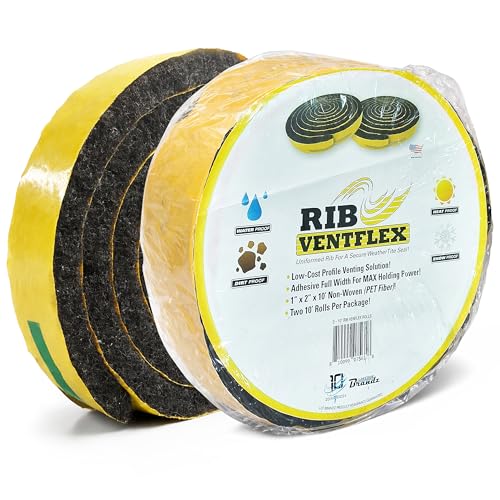
Best for ribbed or agricultural metal panels that need a breathable ridge closure. The 20-foot kit comes as two 10-foot rolls and is listed for major ribs up to three-quarters of an inch tall. Its stated NFA is 18 square inches per linear foot, and the maker describes the mesh as allowing airflow while blocking debris.
A full-width adhesive strip is intended to hold the material in place as the ridge cap is positioned. The listed pitch range is 3:12 to 20:12, which may make it a better profile-specific option for varied roof slopes than a closure designed for only a narrow pitch range.
Limitation: The stated fit is for ribbed panels with major ribs up to three-quarters of an inch. Check the panel dimensions before ordering; the listing does not describe this as a universal fit for every standing seam profile.
EAGLE 1 DEK-Cap End Caps

Best for projects that need caps to seal the ends of trapezoidal metal roof panels. The listing describes these universal end caps for standing-seam roof seams up to four inches high and identifies metal curbs, skylights, ridge applications, and retrofit work as potential uses. The package contains 10 caps.
Choose this product if panel-end closure is the priority rather than attic ventilation or forming sheet metal. Its stated flexible and durable construction is intended to handle harsh conditions, but the cap is not described as a replacement for a ridge vent.
Limitation: The stated seam-height limit is four inches, and the product description specifically refers to trapezoidal panels. Verify the seam shape and size before use.
Malco DEFT16 Drip Edge Folding Tool
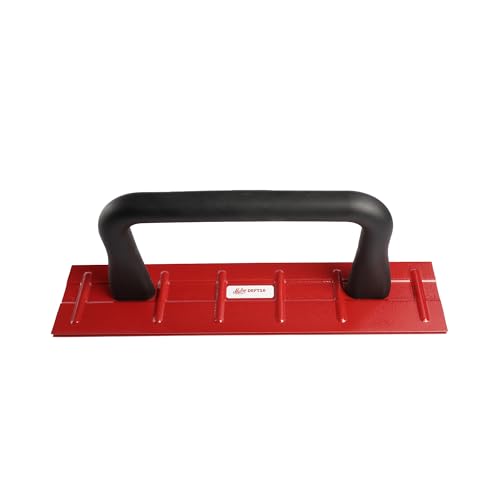
Best for roofers forming drip-edge folds in standing-seam roofing panels. The Malco DEFT16 is listed for panels up to 16 inches wide and metal up to 22 gauge. It makes either a one-inch or one-and-a-half-inch drip-edge fold, providing two specified fold options for field work.
Its rib-reinforced, high-strength steel plate construction is intended to add strength. This is a practical choice when the job involves producing drip-edge folds in panels that fall within the listed width and material limits.
Limitation: The product is specified for panels up to 16 inches wide and 22-gauge material. Check panel dimensions and metal thickness before choosing it.
GEEMCYEN HTSL25E2 Seam Bender

Best for roofers who need to complete a second-stage fold at roof eaves. The GEEMCYEN tool is described as converting a 90-degree bend into a tight 180-degree hem. The listing also names dormers, wall flashing, fascia, and general sheet-metal fabrication as possible applications.
Choose this if the task is finishing an edge or hem rather than making a ridge vent opening. Its purpose differs from the Malco tool: the Malco forms specified drip-edge folds, while this tool is described for closing a bend into a hem.
Limitation: The listing focuses on second-stage folding. It does not provide panel-width or metal-gauge limits, so confirm suitability for the material and edge geometry before work begins.
Buying Guide: How To Choose Products For A Metal Roof Ridge
Do you need ventilation or a closure?
A ridge vent is intended to provide an airflow path from the attic. A vented ridge material combines a closure with airflow, while an end cap seals panel ends. These products are not interchangeable. First determine whether the roof needs ventilation, a profile-fitting closure, end protection, or a combination of components.
How should you compare ridge ventilation?
Compare the listed NFA per linear foot, roof-pitch range, and panel type. Cor-A-Vent lists 10 square inches of NFA per foot and identifies standing seam applications. LCF lists 18 square inches per foot and specifies ribbed panels with major ribs up to three-quarters of an inch. Confirm the roof design’s ventilation needs and the product’s fit with the actual panel profile.
Which tool fits the edge-forming job?
Choose a folding tool based on the required bend and the metal dimensions. The Malco DEFT16 specifies panel width, gauge, and fold sizes. The GEEMCYEN HTSL25E2 is described for turning a 90-degree bend into a 180-degree hem, but its provided features do not state gauge or width limits.
What should you check before installation?
Measure the seam height, rib shape, panel width, metal thickness, and roof pitch. Check product instructions and the roofing system’s specifications before cutting or folding panels. Proper ventilation and weather sealing depend on selecting components that fit the roof design and are installed as intended.
Frequently Asked Questions
Can a vented ridge closure replace a ridge vent?
Not automatically. A vented closure provides airflow according to its stated NFA, while a ridge vent is a separate ventilation component. Compare airflow requirements and panel compatibility before selecting either product.
Is the LCF ridge material suitable for every standing seam roof?
No. Its listed fit is for ribbed and agricultural panels with major ribs up to three-quarters of an inch. Verify the profile dimensions rather than assuming it fits all standing seam roofs.
What does NFA mean on a ridge vent product?
NFA means net free area, the stated open area available for airflow. The listed NFA per linear foot helps compare ventilation products, but it should be considered alongside the roof’s ventilation design.
What is the difference between a drip-edge folder and a seam bender?
The Malco tool is specified for making one-inch or one-and-a-half-inch drip-edge folds in certain panels. The GEEMCYEN seam bender is described for completing a second-stage fold from 90 to 180 degrees.