Best Underground Water Catchment System for Rainwater Harvesting and Flood Prevention
This guide highlights top underground water catchment solutions designed to manage rainwater, reduce runoff, and protect landscapes. Featuring durable dry wells, downspout extensions, and adaptable rainwater systems, these picks target American homes and yards seeking efficient, low-maintenance drainage and harvesting options. Read on to compare key features and determine which system best fits your property and climate.
| Product | Brand | Key Benefit |
|---|---|---|
| NDS Flo-Well Dry Well Kit | NDS | Detains and infiltrates excess water underground |
| Rain Barrel Spigot Kit | Mcvomv | Easy access for transferring collected water |
| Prestantious Catch Basin Kit | Prestantious | Low-profile, underground drainage connection |
| KMJETNIVY Rainwater System | KMJETNIVY | Adjustable capacity for larger catchment |
| EBaokuup Rainwater Diverter | EBaokuup | Downspout-compatible catchment for reuse |
Choosing an underground catchment system involves assessing drainage needs, soil conditions, space, and how you plan to reuse harvested water. The following sections detail five strong options, highlighting practical installation notes, capacity, and compatibility with typical American properties.
NDS Flo-Well Dry Well System Kit
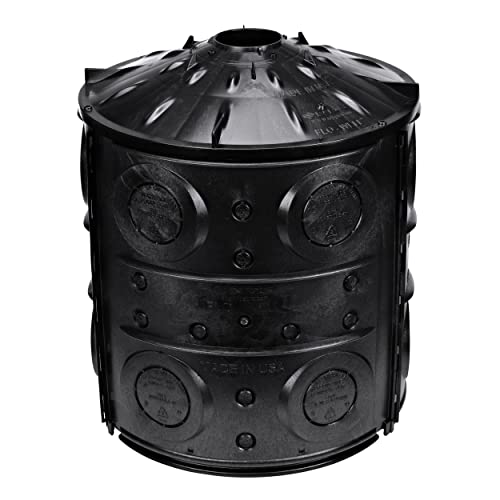
The Flo-Well Dry Well is installed underground to collect, temporarily store, and slowly release excess water into the ground. It connects to 4″ sewer and drain piping and features multiple side-panel knockouts for flexible routing. The system is designed for burial or stacking up to 8 feet deep and can support pedestrian traffic, including lawn equipment. A gravel-free alternative reduces heavy material handling while increasing detention volume compared to traditional gravel-filled wells. This makes it suitable for flood-prone landscapes that require quick detention and infiltration of stormwater.
Installation considerations include compatibility with standard 4″ S&D piping, though professional assessment is advised for complex sites. The Flo-Well supports easy integration with existing drainage networks and can be a practical solution for protecting low-lying yards and patios from standing water after heavy rains.
Rain Barrel Spigot Kit

This premium rain barrel spigot kit provides a durable PVC faucet assembly to quickly dispense water from a rain barrel into a garden hose or watering can. The kit emphasizes anti-crack plastic construction suitable for year-round use and varying weather conditions. Easy to install and compatible with a wide range of rain barrels, it helps homeowners maximize water reuse. The design supports quick drainage and efficient refilling, making it a convenient upgrade for any rain collection system or DIY diverter project.
Key considerations include ensuring the downspout or barrel connection matches your barrel inlet size and checking for a secure seal to prevent leaks. For households that rely on rainwater for irrigation or seasonal watering, this kit can streamline operations and reduce dependence on municipal water.
Prestantious Low Profile Catch Basin Kit

The Prestantious catch basin kit features a low-profile design that minimizes digging depth, making it suitable for underground installation without extensive trenching. It is designed to route water away from open patios and foundations by connecting a 2″ ID flexible pipe, with a total stretched length of 16.4 feet. The system emphasizes durability and long service life in subterranean environments while reducing the risk of soil erosion around the installation site. The components assemble separately, allowing flexible configuration for tight spaces or unusual drainage patterns.
When planning installation, verify that the pipe diameter and bend radii fit your site conditions and that you have a stable, accessible route for maintenance. This kit can be paired with other drainage elements to form a coherent underground water management solution for balconies, driveways, or shade structures.
KMJETNIVY Rainwater Harvesting System (2 x 3)

The KMJETNIVY system offers adjustable rainwater collection capacity, enhancing flexibility for varying rainfall and roof sizes. The design is tailored to fit standard 2″ x 3″ downspouts (actual dimensions 2.25″ x 3.125″). This adjustability allows homeowners to tailor the amount captured, potentially doubling the efficiency compared to fixed-capacity collectors. It’s a practical option for homes with modest to medium roof areas where downspout routing is straightforward.
Before purchase, measure your downspout dimensions to ensure compatibility. Consider how you will route the collected water for irrigation or storage and whether the system can be extended or integrated with other collection components for larger properties or future expansion.
EBaokuup Rainwater Diverter System

The EBaokuup system is designed for 3″ x 4″ rectangular downpipes, with emphasis on ease of installation and paintability to match home exteriors. It aims to transfer captured rainwater from downpipes to a collection bucket or tank for reuse. The unit’s construction focuses on durability and compatibility with standard downspout dimensions, expanding options for residential rainwater harvesting without extensive structural changes.
Consider the overall storage plan and whether you’ll need a larger storage tank or a simple diversion to a garden bed. The diverter approach is useful for homeowners who want quick, modular upgrades to existing downspouts with minimal excavation or modification.
Buying Guide
- Site conditions: Soil permeability, slope, and flood history influence which underground system is most effective. A dry well with high detention is ideal for flood-prone yards, while a smaller, flexible kit suits compact spaces.
- Capacity and scalability: Compare detention volumes, detention times, and whether the system can be stacked or expanded as needs grow.
- Compatibility: Check pipe diameters, downspout sizes, and local building codes. Ensure fittings and adapters are readily available for maintenance.
- Installation effort: Some options require minimal digging, while others may demand trenching or professional installation. Budget time and labor accordingly.
- Maintenance: Look for debris screens, inspection access, and ease of cleaning to maintain performance over time.
- Water reuse goals: Decide whether you aim to irrigate gardens, wash vehicles, or simply reduce runoff. This guides whether you prioritize storage capacity or simple diversion.
- Durability and weather resistance: Materials should withstand freeze-thaw cycles and common American climate zones. UV resistance, corrosion resistance, and warranties are important.
- Budget and value: Weigh upfront cost against long-term benefits such as reduced runoff, improved yard health, and potential savings on water bills when applicable.
Overall, selecting an underground water catchment system involves balancing space constraints, desired storage, and ease of integration with existing drainage. By evaluating the five products above against your property’s layout and rainfall patterns, you can choose a solution that provides effective detention, sustainable water reuse, and long-term durability without disruptive installation.