Best Wood Primer and Undercoat for Durable Finishes
Choosing the right wood primer and undercoat is key to achieving a smooth, long-lasting finish. This guide highlights top options that seal bare and painted wood, improve adhesion, and prepare surfaces for stain or paint. Each product below includes practical benefits, surface compatibility, and quick-dry performance to support durable results in American homes and workshops.
| Product | Brand | Why It Stands Out |
|---|---|---|
| Epoxy Undercoat White (1 Quart) | Stone Coat Countertops | Dense foundation for epoxy projects; multi-surface use; tailored for epoxy kits |
| Epoxy Undercoat Black (1 Quart) | Stone Coat Countertops | Same reliability with a contrasting base for dark epoxy finishes |
| Quick Drying Primer And Undercoat White 250ml | Rustins | Fast-drying, versatile for interior projects on wood and plaster |
| Wood’n Primer | Retique It | Stainable, enhances dye and stain penetration for authentic wood looks |
| Polar Wood Primer 33 Fl Oz | Polar Specialist Coatings | Water-based, strong adhesion and weather resistance for bare and painted wood |
Below are five carefully chosen products that balance coverage, drying time, and compatibility with common wood finishes. Each section includes a direct link to the product page, a visual reference, and concise feature highlights.
Epoxy Undercoat White For Epoxy Projects

Brand: Stone Coat Countertops. This epoxy undercoat is designed to create a firm, sealed foundation, supporting a denser, thicker look that extends surface lifespan. It’s versatile enough for countertops, tabletops, cabinets, and other porous surfaces, and is optimized for use with Stone Coat Countertops epoxy resin kits. Two light coats can improve adhesion and long-term durability for DIY epoxy countertop kits.
Epoxy Undercoat Black For Dark Finishes

Brand: Stone Coat Countertops. This variant is a high-bond epoxy primer for MDF, plywood, and porous surfaces, designed to support epoxy countertop kits with a durable, high-gloss potential. Like the white undercoat, it’s intended for two coats to maximize sealing and longevity across compatible substrates.
Fast-Drying White Primer And Undercoat
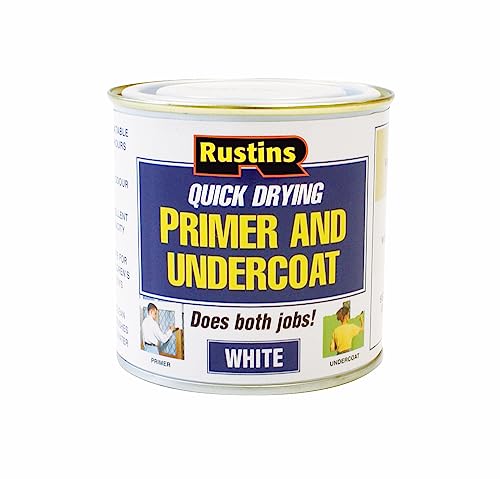
Brand: Rustins. A general-purpose primer/undercoat with quick drying characteristics suitable for interior projects on wood and plaster. It provides solid coverage, sealing properties, and a reliable base for subsequent topcoats, with broad compatibility outside of metal priming restrictions.
Wood’n Primer For Light Or Dark Wood Finishes

Brand: Retique It. This stainable primer is engineered to mimic raw wood absorbency, promoting stain penetration for authentic F like wood tones. It supports both light and dark finishes, with a formulation designed for compatibility with liquid wood or traditional stains to achieve depth and contrast.
Water-Based Wood Primer For Bare & Painted Wood

Brand: Polar Specialist Coatings. This water-based primer is designed for bare and painted wood, delivering a smooth base with essential adhesion. It’s formulated to resist dirt and water while maintaining flexibility to prevent cracking—ideal for interior and exterior wood projects with durable topcoats.
Buying Guide: Key Purchase Considerations
When selecting a wood primer or undercoat, consider the following factors to match your project needs:
- Surface compatibility: Determine whether you’re priming bare wood, painted surfaces, MDF, plywood, or porous substrates. Some products are specialized for epoxy projects, while others serve general priming tasks.
- Drying time: For fast project turnaround, prioritize quick-drying formulations. Drying time also affects recoat windows and project scheduling.
- Adhesion and sealing: Look for primers that seal porous surfaces and improve topcoat adhesion, especially on difficult woods or previously painted finishes.
- Finish compatibility: If you plan to stain, choose stainable primers (like Retique It Wood’n Primer) or primers designed to enhance stain penetration and color depth.
- Base color and epoxy compatibility: White and black epoxy undercoats can influence final appearance when layering epoxy resins. Ensure compatibility with your epoxy kit if using a kit-based workflow.
- Indoor vs. outdoor use: Exterior applications demand weather resistance and greater durability; some products target interior projects only, so check labeling carefully.
- Environmental considerations: Water-based formulations generally emit fewer odors and VOCs, making them suitable for indoor use with better air quality.
Practical Tip for Best Results
Prepare surfaces by cleaning and lightly sanding to a uniform texture. Apply thin, even coats and allow proper drying time between layers. Two coats are common for maximum adhesion and sealing, especially on porous woods.